Für dieses Produkt haben wir gegenwärtig keine Händlerangebote in der Datenbank.
in allen Kategorien
in Computer
in Telekommunikation
in Hifi | Audio
in TV | Video | Foto
in Haushalt
in Freizeit
in Mode & Accessoires
in Haus & Garten
in Beauty & Gesundheit
in Auto & Motorrad
- ComputerArbeitsspeicherBauteileCPUDruckerDruckerzubehörEingabegerätFestplatteGrafikkarteKomplettsystemLaufwerkMainboardMonitorMultimediaNetzwerkNotebookNotebookzubehörPC-SpielScannerSoftwareSpeichermediumSpielekonsoleTablet & E-Book-ReaderTaschenrechnerComputer und Zubehör verschiedenster Anbieter findenJetzt shoppen
- TelekommunikationFaxgerätFunkgerätHandyHandyzubehörTelefon (Analog)Telefon (ISDN)Telefon (VoIP)TelefonanlageTelefone, Smartphones und Co. verschiedenster Anbieter findenJetzt shoppen

- Hifi | AudioAudio-KompaktanlageDJ EquipmentHifi-BausteinInstrumentenzubehörKopfhörerLautsprecherMusikinstrumentPortable AudioplayerRadioHiFi- und Audiogeräte verschiedenster Anbieter findenJetzt shoppen
- TV | Video | FotoBeamer + ZubehörBlu-ray-/DVD-GerätCamcorderFernseherFoto-/CamcorderzubehörFotokameraHome Cinema SystemObjektivOptikTV-ReceiverTV-ZubehörTV/Sat-AntenneTV-, Video- und Fotoapparate verschiedenster Anbieter findenJetzt shoppen

- HaushaltBaby-HomeBaby-MobilBack- & GrillgerätBügeleisenDunstabzugshaubeGefrierschrankGeschirrGeschirrspülerHeiz- & KlimagerätHerdKaffeemaschineKüchenhelferKühlschrankMikrowelleNähmaschinePersonenwaageReinigungsgerätStaubsaugerWaschmaschineWäschetrocknerHaushaltsgeräte verschiedenster Anbieter findenJetzt shoppen
- FreizeitBuchCamping + OutdoorFahrradFilme & SerienFitnessgerätModellbauSpiele + PuzzleSpielwarenSportSportschuheWintersportFreizeitartikel verschiedenster Anbieter findenJetzt shoppen

- Mode & AccessoiresMode DamenMode HerrenMode KinderMode-AccessoiresSchmuckSchuheTasche + KofferUhrKleidung, Schuhe & Accessoires verschiedenster Anbieter findenJetzt shoppen

- Haus & GartenBaumarktBürobedarfGartenHeimwerkerMöbelSonstigesTierbedarfWeihnachtenGarten- und Heimwerkerartikel verschiedenster Anbieter findenJetzt shoppen

- Beauty & GesundheitArzneimittelElektrische ZahnbürsteElektrorasiererGesundheitsproduktHaarstylerKontaktlinsenKosmetikWellnessGesundheitsprodukte und Kosmetik verschiedenster Anbieter findenJetzt shoppen
- Auto & MotorradAutoreifen + FelgeAutozubehörCar HifiMotorradNavigationssystemAuto- und Motorradzubehör verschiedenster Anbieter findenJetzt shoppen
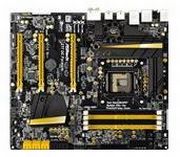
Abbildung ggf. abweichend
Preisalarm
ASRock Z77 OC Formula
Hersteller: ASRock
Abbildung ggf. abweichend
Hersteller: ASRock
- Mainboard
- Sockel: 1155
- Speichertyp: DDR3
- Anschlüsse: HDMI-Ausgang, PS/2
- Anzahl DIMM: 4
- LAN-Chip: Broadcom BCM57781
- LAN-Geschwindigkeit: 10 Mbit (IEEE 802.3), 100 Mbit (IEEE 802.3u), 1000 Mbit (IEEE 802.3ab)
- Audio-Chip: Realtek ALC898
Hersteller:
ASRock
Tests und Testberichte

Test: Einzeltest: ASRock Z77 OC Formula Motherboard
Zitat: MSreco_highend
With the new Z77 OC Formula, ASRock is trying to detach from the older, regular motherboard designs and step-up by proposing a build on a new layout, with many of the legacy components removed and an UEFI interface with a lot of options available. Under the massive heatsinks which also act as waterblocks we will find a 12 + 4 VRM design; the premium alloy chokes that are nearby are able to reduce up to 70% core loss and their construction is more durable (magnetic and heat-resistant). The 8-layer PCB succeeds to deliver lower temperatures and higher energy efficiency when overclocking. The board was designed in collaboration with the well-known overclocker, Nick Shih and thanks to that, we can choose from the specially designed automatic OC profiles inside the UEFI, no matter if we are using either a K-series or non-K CPU. As we have seen with the Fatal1ty motherboards, the main ASRock overclocking utility has been re-skinned and now comes with the Formula Drive name. The functions it includes are many: Hardware Monitor, FAN-tastic Tuning, Overclocking, OC DNA, IES, XFast RAM or Multi-Thermal Sensor. Speaking of the Multi-Thermal sensor, the board contains not one, but two hardware monitoring chips and a great amount of thermal sensors, so we are able to monitor the temperature in 13 more areas. A new software tool is the Timing configuration, which gives us access to all subtle RAM timings, without the need to reboot and enter the UEFI. The board is also equipped with Rapid OC buttons, which allow manual setting of the CPU Ratio, BCLK frequency and CPU voltage. The PCI-E slots can be also disabled manually by simply working with the switches located on the top right side of the motherboard. This is not all, ASRock has also included a set of 7 detection points on the motherboard for acquiring live voltage readings with the multimeter. The manufacturer has also included 10 plastic stands that we can use to test or work with the motherboard without installing it into a case. Regarding the board performance, we can see clearly that ASRock has continued to optimize the system software, especially the UEFI, so we have received very good test scores and thanks to the beefy VRM we could set a stable 4.7GHz frequency, with a much lower voltage than the previous Extreme6 motherboard. The board can be found online for about 209 Euros, about 20 more than the Z77 Fatal1ty Professional.

Test: Einzeltest: Publikacja: ASRock Z77 OC Formula
Zitat: Pro: + mocna sekcja zasilania
+ przyciski do podkręcania
+ bogaty pakiet oprogramowania
+ profile z ustawieniami Nicka Shiha
+ dobry potencjał podkręcania
+ mnogość opcji konfiguracji
Contra: - brak złącza D-Sub
- wentylator na sekcji zasilania
- wysoka temperatura chipsetu
Powoli zbliżamy się już do końca naszego testu. Jakie wrażenie zrobił na nas ASRock Z77 OC Formula? Bardzo pozytywne! Płyta jest solidnie wykonana, posiada dobrą sekcję zasiania z bardzo wydajnym układem chłodzenia, posiada szereg usprawnień przydatnych z punktu widzenia overclockerów, takich jak przyciski do podkręcania czy punkty pomiarowe napięć. Dodatkowo, za sprawą współpracy z overclockerem Nick Shih, BIOS płyty posiada zestaw profili ustawień, pozwalających wycisnąć maksimum wydajności z komputera.
ASRock Z77 OC Formula, mimo że został stworzony z myślą o podkręcaniu, nie jest oczywiście pozbawiony funkcji przydatnych punktu widzenia szarego zjadacza chleba. Płyta jest solidna, posiada całkiem niezły układ dźwiękowy oraz bogaty pakiet oprogramowania, usprawniający pracę komputera.
Testowana płyta jest świetnym rozwiązaniem dla wszystkich osób interesujących się podkręcaniem, co zresztą potwierdzili overclockerzy, których poprosiliśmy o opinię na jej temat. ASRock Z77 OC Formula posiada ogromne możliwości, dużo przydatnego oprogramowania i co najważniejsze – kosztuje zdecydowanie mniej niż topowe overclockerskie konstrukcje innych producentów. Dodatkowo posiada "to" coś, co sprawia, że – jak ujął to polski overclocker, Xtreme_Addict – „oc formula jest przyjemniejsza” od innych, konkurencyjnych konstrukcji. Polecamy!

Test: OC-Mainboards
Zitat: + Sehr gutes OC-Ergebnis bei 1,25 Volt
+ Niedrige Temperaturen
+ Viele Profile für automatisches Overclocking

Test: Einzeltest: ASRock Z77 OC Formula
Zitat: Pro: + Looks
+ Overclocking
+ Performance tuned
+ BIOS
+ Build process
+ Twin-Power Cooling
+ Pricing
+ Features and Tools
+ XFast 555
+ CrossfireX and SLI support
Contra: - Aluminum cooling pipe

Test: Einzeltest: ASRock Z77 OC Formula
Zitat: + Sehr hohe Leistungsfähigkeit mit sehr starker CPU-Spannungsversorgung mit umfangreichen Overclocking-Funktionen
+ Gute und umfangreiche Ausstattung, u.a. zehn SATA-Schnittstellen und acht USB-3.0-Anschlüsse
+ PCI-Express-3.0-Unterstützung an zwei PEG-Slots (nur mit Ivy Bridge-CPU)
+ Overclocking-Optionen (abschaltbare PCIe-Slots, Rapid OC, Messpunkte der Spannungen)
+ Sehr gute Gesamtperformance und sehr gute Stabilität
+ Wasserkühlung kann integriert werden
- Fehlerhafte Lüftersteuerung mit BIOS-Version P1.40
Beliebte Produkte

ASRock B760M Steel Legend WiFi
ab 137,90€

ASRock H610M-HDV/M.2+ D5
ab 46,89€

ASRock H610M-HVS
ab 138,50€

ASRock H510 Pro BTC+
ab 108,93€

ASRock B760 Pro RS
ab 96,90€

GIGABYTE Z790 D
ab 143,79€

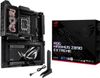
ASUS ROG Maximus Z890 Extreme
ab 682,99€

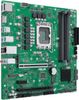
ASUS Pro B860M-C-CSM
ab 133,84€

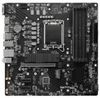
MSI Pro B760M-P DDR4
ab 82,62€

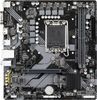
GIGABYTE B760M H DDR4
ab 73,36€
Produktdaten
| Anschlüsse: | HDMI-Ausgang, PS/2 |
|---|---|
| Schnittstellen: | USB 2.0, USB 3.0 |
| PCI-Express-Schnittstellen: | 2x PCI Express 3.0 x16 |
| Maße: | B30,50 cm x T26,70 cm |
|---|
| Sockel: | 1155 |
|---|
| Anzahl DIMM: | 4 |
|---|---|
| Speichertyp: | DDR3 |
| LAN-Chip: | Broadcom BCM57781 |
|---|---|
| LAN-Geschwindigkeit: | 10 Mbit (IEEE 802.3), 100 Mbit (IEEE 802.3u), 1000 Mbit (IEEE 802.3ab) |
| Audio-Chip: | Realtek ALC898 |
ASRock Z77 OC Formula Bewertungen

Sei der Erste, der dieses Produkt bewertet! Deine Erfahrung kann anderen Nutzern bei ihrer
Tests und Testberichte ASRock Z77 OC Formula
madshrimps.be
Ausgabe 2/2013
Test: Einzeltest: ASRock Z77 OC Formula Motherboard
Zitat: "MSreco_highend
With the new Z77 OC Formula, ASRock is trying to detach from the older, regular motherboard designs and step-up by proposing a build on a new layout, with many of the legacy components removed and an UEFI interface with a lot of options available. Under the massive heatsinks which also act as waterblocks we wi..."
pccentre.pl
Ausgabe 12/2012
Test: Einzeltest: Publikacja: ASRock Z77 OC Formula
Zitat: "Pro: + mocna sekcja zasilania
+ przyciski do podkręcania
+ bogaty pakiet oprogramowania
+ profile z ustawieniami Nicka Shiha
+ dobry potencjał podkręcania
+ mnogość opcji konfiguracji
Contra: - brak złącza D-Sub
- wentylator na sekcji zasilania
- wysoka temperatura chipsetu
Powoli zbliżamy się już do końca naszego ..."
PC games Hardware
Ausgabe 11/2012
Test: OC-Mainboards
Zitat: "+ Sehr gutes OC-Ergebnis bei 1,25 Volt
+ Niedrige Temperaturen
+ Viele Profile für automatisches Overclocking"
overclockersclub.com
Ausgabe 10/2012
Test: Einzeltest: ASRock Z77 OC Formula
Zitat: "Pro: + Looks
+ Overclocking
+ Performance tuned
+ BIOS
+ Build process
+ Twin-Power Cooling
+ Pricing
+ Features and Tools
+ XFast 555
+ CrossfireX and SLI support
Contra: - Aluminum cooling pipe
"
Hardwareluxx
Ausgabe 10/2012
Test: Einzeltest: ASRock Z77 OC Formula
Zitat: "+ Sehr hohe Leistungsfähigkeit mit sehr starker CPU-Spannungsversorgung mit umfangreichen Overclocking-Funktionen
+ Gute und umfangreiche Ausstattung, u.a. zehn SATA-Schnittstellen und acht USB-3.0-Anschlüsse
+ PCI-Express-3.0-Unterstützung an zwei PEG-Slots (nur mit Ivy Bridge-CPU)
+ Overclocking-Optionen (abschaltbare PC..."
Beliebte Kaufberatungen
- Beliebte B660-Mainboards im Vergleich: So ist der PC auf einer guter Basis07.08.2023

- Beliebte Mainboards mit B760-Sockel im Vergleich25.07.2023
- Beliebte Mainboards für Intel-1200-Sockel im Vergleich24.02.2023
- Beliebte Mainboards für Intel Sockel 1700 im Vergleich23.02.2023
- Beliebt und richtig schnell: X670E-Mainboards im Vergleich – das "E" steht für Extreme13.08.2024

- Mainboard-Kaufberatung für AM5 Sockel: Die beliebtesten Motherboards im Vergleich14.12.2023
- Beliebte Mainboards mit B650E-Sockel im Vergleich25.07.2023
- Preis-Leistungs-Tipp: A620-Mainboards im Vergleich24.07.2023
- Beliebte AMD-Mainboards mit AM4-Sockel im Vergleich16.02.2023
- AMD Mainboards im Vergleich: Die beliebtesten Modelle für jeden PC13.05.2022
Beliebte Produkte

* Die Preise und Versandkosten können sich seit der letzten Aktualisierung beim jeweiligen Händler verändert haben. Alle Preise sind Angaben des jeweiligen Anbieters inklusive Umsatzsteuer, zzgl. Versand - alle Angaben ohne Gewähr. Unser Angebot umfasst nur Anbieter, die für Ihre Weiterleitung an den Shop eine Klick-Provision an uns zahlen.
* Die Preise und Versandkosten können sich seit der letzten Aktualisierung beim jeweiligen Händler verändert haben. Alle Preise sind Angaben des jeweiligen Anbieters inklusive Umsatzsteuer, zzgl. Versand - alle Angaben ohne Gewähr. Unser Angebot umfasst nur Anbieter, die für Ihre Weiterleitung an den Shop eine Klick-Provision an uns zahlen.


©1999- 2026 by guenstiger.de
Zu teuer?
Jetzt Preisalarm setzen!
Jetzt Preisalarm setzen!
Preisalarm
ASRock Z77 OC Formula bewerten

Das hat leider nicht funktioniert!
Die Seite konnte nicht aufgerufen werden, bitte versuchen Sie es später nochmal.

Formular schließen?
