in allen Kategorien
in Computer
in Telekommunikation
in Hifi | Audio
in TV | Video | Foto
in Haushalt
in Freizeit
in Mode & Accessoires
in Haus & Garten
in Beauty & Gesundheit
in Auto & Motorrad
- ComputerArbeitsspeicherBauteileCPUDruckerDruckerzubehörEingabegerätFestplatteGrafikkarteKomplettsystemLaufwerkMainboardMonitorMultimediaNetzwerkNotebookNotebookzubehörPC-SpielScannerSoftwareSpeichermediumSpielekonsoleTablet & E-Book-ReaderTaschenrechnerComputer und Zubehör verschiedenster Anbieter findenJetzt shoppen

- TelekommunikationFaxgerätFunkgerätHandyHandyzubehörTelefon (Analog)Telefon (ISDN)Telefon (VoIP)TelefonanlageTelefone, Smartphones und Co. verschiedenster Anbieter findenJetzt shoppen

- Hifi | AudioAudio-KompaktanlageDJ EquipmentHifi-BausteinInstrumentenzubehörKopfhörerLautsprecherMusikinstrumentPortable AudioplayerRadioHiFi- und Audiogeräte verschiedenster Anbieter findenJetzt shoppen
- TV | Video | FotoBeamer + ZubehörBlu-ray-/DVD-GerätCamcorderFernseherFoto-/CamcorderzubehörFotokameraHome Cinema SystemObjektivOptikTV-ReceiverTV-ZubehörTV/Sat-AntenneTV-, Video- und Fotoapparate verschiedenster Anbieter findenJetzt shoppen

- HaushaltBaby-HomeBaby-MobilBack- & GrillgerätBügeleisenDunstabzugshaubeGefrierschrankGeschirrGeschirrspülerHeiz- & KlimagerätHerdKaffeemaschineKüchenhelferKühlschrankMikrowelleNähmaschinePersonenwaageReinigungsgerätStaubsaugerWaschmaschineWäschetrocknerHaushaltsgeräte verschiedenster Anbieter findenJetzt shoppen
- FreizeitBuchCamping + OutdoorFahrradFilme & SerienFitnessgerätModellbauSpiele + PuzzleSpielwarenSportSportschuheWintersportFreizeitartikel verschiedenster Anbieter findenJetzt shoppen

- Mode & AccessoiresMode DamenMode HerrenMode KinderMode-AccessoiresSchmuckSchuheTasche + KofferUhrKleidung, Schuhe & Accessoires verschiedenster Anbieter findenJetzt shoppen

- Haus & GartenBaumarktBürobedarfGartenHeimwerkerMöbelSonstigesTierbedarfWeihnachtenGarten- und Heimwerkerartikel verschiedenster Anbieter findenJetzt shoppen
- Beauty & GesundheitArzneimittelElektrische ZahnbürsteElektrorasiererGesundheitsproduktHaarstylerKontaktlinsenKosmetikWellnessGesundheitsprodukte und Kosmetik verschiedenster Anbieter findenJetzt shoppen

- Auto & MotorradAutoreifen + FelgeAutozubehörCar HifiMotorradNavigationssystemAuto- und Motorradzubehör verschiedenster Anbieter findenJetzt shoppen

Suche verfeinern
Filtern
Alles löschen
Kategorie
✓Preis
✓Marke
0Verkäufer
0Deine Suche ergab leider keine Ergebnisse. Bitte ändere die zuletzt verwendeten Filter und versuche es erneut.
Zeigt 581 - 600 von 680 Ergebnissen
Filtern
Sortieren:
Beste Treffer
Beste Treffer
Preis: niedrig bis hoch
Preis: hoch bis niedrig
Ansicht:

Quelle: amazon.de
- Bleistift CASTELL 9000 Design
- 12er Metalletui
- Vollständig mit Holzmantel verleimte Mine
- Erhältlich in 16 verschiedenen Härtegraden
- Hohe Bruchfestigkeit durch Spezialverleimung
- Grün lackierter Schaft mit umweltfreundlichem Lack auf Wasserbasis
Jetzt bewerten
ab 12,90€
20 Angebote
Zum Preisvergleich
Quelle: amazon.de
- Schaft aus gebeiztem Birnbaumholz in dunkelbraun
- End- und Frontstück aus hochglänzend verchromtem Metall
- Gefederter Clip und Drehmechanismus aus Metall
- Austauschbarer Radierer unter der Kappe
- Bruchsichere 1,4 mm Mine für weiches Schreiben
Jetzt bewerten
ab 52,93€
3 Angebote
Zum Preisvergleich
Quelle: bueromarkt-ag.de
- Drehbleistift aus Cocosholz mit Metallkappe und -endstücken
- Hochglänzend verchromte Metallteile
- Gefederter Metallclip
- 0,7 mm Bleimine
- Einzigartige Holzmaserung für individuelle Note
- Drehmechanik und voll versenkbare Mine
- Austauschbarer Radierer unter der Kappe
- Härtegrad: B
- Strichbreite: 0,7 mm
- Material Gehäuse: Cocos-Holz
- Gehäusefarbe: braun
Jetzt bewerten
ab 108,05€
2 Angebote
Zum Preisvergleich
Quelle: amazon.de
- Füllhalter mit Schaft aus strichmattiertem Edelstahl
- Kappe, End- und Frontstück aus hochglänzend verchromtem Metall
- Gefederter Metallclip für sicheren Halt
- Patronen- und Konvertersystem für flexible Tintenwahl
- Ideal für Büro und Schreibwaren
- Material: Edelstahl und Metall
Jetzt bewerten
ab 75,00€
2 Angebote
Zum Preisvergleich
Quelle: IT Planet
- Switch mit 12 Anschlüssen
- 12 x Gigabit SFP und 1 x 10/100 Port
- zertifizierungen IEEE 802.3 und IEEE 802.3u
- Entwickelt für HPE 7502, 7503, 7506 und 7510
- Plugin-Modul für einfache Integration
- Erweiterungssteckplatz für CompactFlash-Karte
- Maße: Breite 35,5 cm, Tiefe 37,7 cm, Höhe 4,5 cm
Jetzt bewerten
ab 5.875,00€
3 Angebote
Zum Preisvergleich

- SilverStone FARA B1 RGB Tower ATX Gehäuse
- Seitenteil aus Hartglas
- Unterstützte Stromversorgungs-Formfaktoren: ATX
- Installierte Lüfter: 1x 120 mm vorne, 1x 120 mm hinten
- Unterstützte HDD Größen: 2.5, 3.5 Zoll
- Maße: Breite 207 mm, Tiefe 401 mm, Höhe 446 mm
Jetzt bewerten
1 Testberichte
ab 89,89€
2 Angebote
Zum Preisvergleich
Quelle: IT Planet
- 18-Slot Chassis für Cisco Nexus 7000
- Fabric-Modul mit 46 Gbps pro Slot
- Unterstützt hohe Netzwerkgeschwindigkeiten
- Modularer Aufbau für flexible Erweiterungen
- Kompatibel mit verschiedenen Nexus-Modulen
- Maße: Höhe 43,7 cm, Breite 44,5 cm, Tiefe 60 cm
Jetzt bewerten
ab 527,00€
1 Angebot
Zum Preisvergleich
Quelle: kaufland.de
- Kohlefilter für Dunstabzugshauben 47x57 cm
- Passend für 60-100 cm breite Hauben
- Umweltfreundlich, chloridfrei, selbstverlöschend
- Ersatz alle 1 Jahr
- Gute Geruchsabsorption, feuerhemmend
Jetzt bewerten
ab 10,56€
5 Angebote
Zum Preisvergleich
Quelle: amazon.de
- Tintenroller E-MOTION Holz, schwarz
- Strichstärke 0,5 mm
- Mine auswechselbar
- Metallspitze, 0,7
- Typbezeichnung der Mine: 148712, 148713
- Art der Schreibflüssigkeit: Tinte
- Kappenmodell, Mine schwarz
Jetzt bewerten
ab 84,00€
3 Angebote
Zum Preisvergleich
Quelle: Küchenhaus24
- Aktivkohlefilter für verschiedene Dunstabzugshaubenmodelle
- Filterwechsel alle 3 bis 6 Monate empfohlen
- Breite 264 mm, Tiefe 235 mm, Höhe 16 mm
- Kompatibel mit zahlreichen Marken und Typen
- Filtertyp: EFF72
- Material: Aktivkohle
Jetzt bewerten
ab 11,49€
4 Angebote
Zum Preisvergleich
Quelle: Metro.de
- Zeichenbesen mit einem Griff aus Holz
- Besenhaare aus weicher Ziegenhaarmischung
- 3 Haarreihen für effektives Abkehren
- Länge von 220 mm
- Geeignet für das Entfernen von Radierrückständen
- Verpackungseinheit: 1 Stück
Jetzt bewerten
ab 8,12€
1 Angebot
Zum Preisvergleich
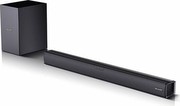
Soundbar
- Kanäle: 2.1
- Bluetooth
- Anschlüsse: AUX-Eingang, HDMI-Ausgang, HDMI-Eingang, S/PDIF optisch
- Musikgesamtleistung: 160 W
Jetzt bewerten
ab 99,99€
6 Angebote
Zum Preisvergleich

- Drehkugelschreiber AMBITION
- Schaft aus Cocosholz, Metallkappe
- Hochglänzend verchromte Frontstücke
- Gefederter Metallclip
- Kugelschreibermine: Stärke B, blau
- Inklusive Geschenketui
Jetzt bewerten
ab 115,00€
1 Angebot
Zum Preisvergleich

Geschicklichkeitsspiel
- USK Freigabe: ohne Altersbeschränkung
- Der Spielball muss auf dem Spielfeld gehalten werden
- Extras können eingesammelt werden
- Systemvoraussetzung: Windows 98/ 2000/ XP/ Vista, 64MB RAM
Jetzt bewerten
1 Testberichte
ab 3,44€
5 Angebote
Zum Preisvergleich

ab 28,25€
1 Angebot
Zum Preisvergleich

- Gaming-Gehäuse von Silverstone
- Für Mini-ITX/Micro-ATX/ATX-Mainboards
- Inklusive Netzteilschacht, Platz für zwei 240er Radiatoren
- Zuluftdesign mit beleuchtetem Logo, Hartglas-Seitenblende
- Unterstützt 3,5- und vier 2,5-Zoll-Laufwerke
Jetzt bewerten
ab 68,79€
3 Angebote
Zum Preisvergleich
- Tischleuchte
- Material: Kunststoff
- Höhe: 70mm, Durchmesser: 170mm
- Leistung: 1x3,9W, Lichtfarbe: warmweiß, Lumen: 325lm
- Lampen-Art: Tischleuchte
Jetzt bewerten
ab 52,60€
1 Angebot
Zum Preisvergleich
ab 80,49€
1 Angebot
Zum Preisvergleich
- Deckenlampe
- Material: Metall, geblasenes Glas
- Maße: Höhe 140mm, Durchmesser 300mm
- Leistung: 15W, Lichtfarbe: warmweiß, Lumen: 1350lm
- Lampen-Art: Deckenleuchte
Jetzt bewerten
ab 221,33€
1 Angebot
Zum Preisvergleich
Anzeige
Weitere Angebote unserer Partner-Shops

Faber & Faber Queen (Faber Editions) A1077572492
Lose yourself in this tumultuous Swedish family saga, introduced by Sarah Moss ('a masterpiece') Judit is stubborn and singular, distant and unyielding. She is called Queen. Her realm is a windswept farm on a misty Swedish coastline.When she is nine, her dying mother places Judit's brother Viktor in her arms, and the two are bonded for life. Together with their silent brother, Albert,they forge a precarious family. But Judit has her secrets; she dreams amidst the salt spray. And when Viktor emigrates to America, the ground beneath her feet forever shifts. Translated into English for the first time, Queen (1964)is a visionary family saga: a mythic epic in miniature, mystical and anarchic. One of the greatest Swedish novelists of all time, Birgitta Trotzig casts another worldly light across the souls of her characters - and her readers. Translated by Saskia Vogel 'Fear, rage, love, resentment: the full range of human emotion is here . . . A story fuelled by inevitability and cold beauty.' Sarah Moss
Sofort per Download lieferbar

26,99€
Versand: frei!

Faber & Faber They (Faber Editions) A1069861430
For fans of I Who Have Never Known Men, a 'creepily prescient' (Margaret Atwood) lost dystopian 'masterpiece' (Emily St. John Mandel): in a nightmarish Britain, THEY are coming closer. 'A creepily prescient tale ... Insidiously horrifying!' Margaret Atwood 'A masterpiece of creeping dread.' Emily St. John Mandel 'As creepy, tense and strange as when I first read it 40 years ago.' Ian Rankin This is Britain: but not as we know it. THEY are coming closer . . . THEY begin with a dead dog, shadowy footsteps, confiscated books. Soon the National Gallery is purged; eerie towers survey the coast; savage mobs stalk the countryside destroying artworks - and those who resist. THEY capture dissidents - writers, painters, musicians, even the unmarried and childless - in military sweeps, 'curing' these subversives of individual identity. Survivors gather together as cultural refugees, preserving their crafts, creating, loving and remembering. But THEY make it easier to forget ... Lost for over forty years, Kay Dick's They (1977) is a rediscovered dystopian masterpiece of art under attack: a cry from the soul against censorship, a radical celebration of non-conformity - and a warning.
Sofort per Download lieferbar
26,99€
Versand: frei!

Faber & Faber Termush (Faber Editions) A1066301042
Introduced by Jeff VanderMeer - ''a classic: stunning, dangerous, darkly beautiful'' - welcome to the post-apocalyptic White Lotus: a luxury hotel at the end of the world in this lost 1967 dystopia ... ''Chilling and prescient.'' Andrew Hunter Murray ''Elemental and true.'' Kiran Millwood Hargrave ''Mesmerizing.'' Sandra Newman ''Like someone from the future screaming to us.'' Salena Godden The day we came up from the shelters four people were found dead on the steps of the hotel. Welcome to Termush: a luxury coastal resort like no other. All the wealthy guests are survivors: preppers who reserved rooms long before the Disaster. Inside, they embrace exclusive radiation shelters, ambient music and lavish provisions; outside, radioactive dust falls on the sculpture park, security men step over dead birds, and a reconnaissance party embarks. Despite weathering a nuclear apocalypse, their problems are only just beginning. Soon, the Management begins censoring news; disruptive guests are sedated; initial generosity towards Strangers ceases as fears of contamination and limited resources grow. But as the numbers - and desperation - of external survivors increase, admist this moral fallout, they must decide what it means to forge a new ethical code at the end (or beginning?) of the world ... Translated by Sylvia Clayton
2 - 3 Wochen
12,99€
Versand: frei!

Faber & Faber Termush (Faber Editions) A1066301042
Introduced by Jeff VanderMeer - ''a classic: stunning, dangerous, darkly beautiful'' - welcome to the post-apocalyptic White Lotus: a luxury hotel at the end of the world in this lost 1967 dystopia ... ''Chilling and prescient.'' Andrew Hunter Murray ''Elemental and true.'' Kiran Millwood Hargrave ''Mesmerizing.'' Sandra Newman ''Like someone from the future screaming to us.'' Salena Godden The day we came up from the shelters four people were found dead on the steps of the hotel. Welcome to Termush: a luxury coastal resort like no other. All the wealthy guests are survivors: preppers who reserved rooms long before the Disaster. Inside, they embrace exclusive radiation shelters, ambient music and lavish provisions; outside, radioactive dust falls on the sculpture park, security men step over dead birds, and a reconnaissance party embarks. Despite weathering a nuclear apocalypse, their problems are only just beginning. Soon, the Management begins censoring news; disruptive guests are sedated; initial generosity towards Strangers ceases as fears of contamination and limited resources grow. But as the numbers - and desperation - of external survivors increase, admist this moral fallout, they must decide what it means to forge a new ethical code at the end (or beginning?) of the world ... Translated by Sylvia Clayton
Sofort lieferbar

12,99€
Versand: frei!

Faber & Faber Ex-Wife (Faber Editions) A1070195955
'Darkly funny and startlingly contemporary, full of witty one-liners and stop-you-in-your-tracks observations about romance, work, and life.' (Monica Heisey, author of Really Good, Actually)
Sofort lieferbar
12,59€
Versand: frei!


* Die Preise und Versandkosten können sich seit der letzten Aktualisierung beim jeweiligen Händler verändert haben. Alle Preise sind Angaben des jeweiligen Anbieters inklusive Umsatzsteuer, zzgl. Versand - alle Angaben ohne Gewähr. Unser Angebot umfasst nur Anbieter, die für Ihre Weiterleitung an den Shop eine Klick-Provision an uns zahlen. Die Reihenfolge der Produktangebote richtet sich in absteigender Reihenfolge aus Beliebtheit des Angebotes (Weiterleitungen zu Händlern mittels Klick) und Häufigkeit der Suchbegriffe im Produktnamen, in der Beschreibung oder der Kategorienzugehörigkeit.
* Die Preise und Versandkosten können sich seit der letzten Aktualisierung beim jeweiligen Händler verändert haben. Alle Preise sind Angaben des jeweiligen Anbieters inklusive Umsatzsteuer, zzgl. Versand - alle Angaben ohne Gewähr. Unser Angebot umfasst nur Anbieter, die für Ihre Weiterleitung an den Shop eine Klick-Provision an uns zahlen. Die Reihenfolge der Produktangebote richtet sich in absteigender Reihenfolge aus Beliebtheit des Angebotes (Weiterleitungen zu Händlern mittels Klick) und Häufigkeit der Suchbegriffe im Produktnamen, in der Beschreibung oder der Kategorienzugehörigkeit.


©1999- 2026 by guenstiger.de
