in allen Kategorien
in Computer
in Telekommunikation
in Hifi | Audio
in TV | Video | Foto
in Haushalt
in Freizeit
in Mode & Accessoires
in Haus & Garten
in Beauty & Gesundheit
in Auto & Motorrad
- ComputerArbeitsspeicherBauteileCPUDruckerDruckerzubehörEingabegerätFestplatteGrafikkarteKomplettsystemLaufwerkMainboardMonitorMultimediaNetzwerkNotebookNotebookzubehörPC-SpielScannerSoftwareSpeichermediumSpielekonsoleTablet & E-Book-ReaderTaschenrechnerComputer und Zubehör verschiedenster Anbieter findenJetzt shoppen

- TelekommunikationFaxgerätFunkgerätHandyHandyzubehörTelefon (Analog)Telefon (ISDN)Telefon (VoIP)TelefonanlageTelefone, Smartphones und Co. verschiedenster Anbieter findenJetzt shoppen

- Hifi | AudioAudio-KompaktanlageDJ EquipmentHifi-BausteinInstrumentenzubehörKopfhörerLautsprecherMusikinstrumentPortable AudioplayerRadioHiFi- und Audiogeräte verschiedenster Anbieter findenJetzt shoppen
- TV | Video | FotoBeamer + ZubehörBlu-ray-/DVD-GerätCamcorderFernseherFoto-/CamcorderzubehörFotokameraHome Cinema SystemObjektivOptikTV-ReceiverTV-ZubehörTV/Sat-AntenneTV-, Video- und Fotoapparate verschiedenster Anbieter findenJetzt shoppen
- HaushaltBaby-HomeBaby-MobilBack- & GrillgerätBügeleisenDunstabzugshaubeGefrierschrankGeschirrGeschirrspülerHeiz- & KlimagerätHerdKaffeemaschineKüchenhelferKühlschrankMikrowelleNähmaschinePersonenwaageReinigungsgerätStaubsaugerWaschmaschineWäschetrocknerHaushaltsgeräte verschiedenster Anbieter findenJetzt shoppen
- FreizeitBuchCamping + OutdoorFahrradFilme & SerienFitnessgerätModellbauSpiele + PuzzleSpielwarenSportSportschuheWintersportFreizeitartikel verschiedenster Anbieter findenJetzt shoppen

- Mode & AccessoiresMode DamenMode HerrenMode KinderMode-AccessoiresSchmuckSchuheTasche + KofferUhrKleidung, Schuhe & Accessoires verschiedenster Anbieter findenJetzt shoppen

- Haus & GartenBaumarktBürobedarfGartenHeimwerkerMöbelSonstigesTierbedarfWeihnachtenGarten- und Heimwerkerartikel verschiedenster Anbieter findenJetzt shoppen

- Beauty & GesundheitArzneimittelElektrische ZahnbürsteElektrorasiererGesundheitsproduktHaarstylerKontaktlinsenKosmetikWellnessGesundheitsprodukte und Kosmetik verschiedenster Anbieter findenJetzt shoppen
- Auto & MotorradAutoreifen + FelgeAutozubehörCar HifiMotorradNavigationssystemAuto- und Motorradzubehör verschiedenster Anbieter findenJetzt shoppen

Suche verfeinern
Filtern
Alles löschen
Kategorie
✓Preis
✓Marke
0Verkäufer
0Deine Suche ergab leider keine Ergebnisse. Bitte ändere die zuletzt verwendeten Filter und versuche es erneut.
Zeigt 661 - 678 von 678 Ergebnissen
Filtern
Sortieren:
Beste Treffer
Beste Treffer
Preis: niedrig bis hoch
Preis: hoch bis niedrig
Ansicht:

Quelle: Galaxus.de
Leuchte
- Lampen-Art: Tischleuchte
- Lampen-Technologie: LED
- Leuchtmittel: inklusive, nicht austauschbar
- 2,50 W Lampenleistung
- 3.000 K Farbtemperatur
- 200 Lumen Helligkeit
- Dimmfunktion
- Stromversorgung: Akku
- Material: Metall, Polyethylene
- Schutzart: IP 44
- 15 cm Durchmesser
- 38,50 cm hoch
Jetzt bewerten
ab 69,60€
5 Angebote
Zum Preisvergleich
Quelle: Galaxus.de
- Akku Leuchte
- Schutzklasse: IP54, Klasse: III
- Lumen: 320, Farbtemperatur: 3000 K, CRI: 80-89
- Höhe/Tiefe: 65 mm
- Spannungsart: AC, Nennspannung: 220-240 V, mit Betriebsgerät
- Lampen-Art: Tischleuchte
Jetzt bewerten
ab 68,78€
4 Angebote
Zum Preisvergleich
Quelle: Galaxus.de
- LED Tischlampe
- Material: Metall
- 3fach Touchdimmer
- Lampen-Art: Tischleuchte
Jetzt bewerten
ab 93,66€
4 Angebote
Zum Preisvergleich
Quelle: Galaxus.de
- LED-Up&Down-Wandleuchte
- Serie: Banny
- Maße: B 31 cm, H 5 cm, T 7 cm
- Gemütliche Atmosphäre durch Up & Down-Licht
- Lampen-Art: Wandleuchte
Jetzt bewerten
ab 82,88€
6 Angebote
Zum Preisvergleich
Quelle: kaufland.de
- LED Pendelleuchte
- Durchmesser: 720mm
- Leistung: 40W
- Lichtfarbe: Warmweiß
- Dimmbar
- Lampen-Art: Hänge-/Pendelleuchte
Jetzt bewerten
ab 453,45€
3 Angebote
Zum Preisvergleich
Quelle: Galaxus.de
- Spotlampe
- Material: Metall
- Technische Daten: GU10 1X50W nicht inklusiv, IP20 Klasse: II
- Lampen-Art: Klemmleuchte
ab 28,61€
5 Angebote
Zum Preisvergleich

Netzwerkkamera
- Kameraart: LAN
- Auflösung: 1.920 Pixel x 1.080 Pixel
- 25 Bilder/s Bildfrequenz
- Power over Ethernet (IEEE 802.3af)
- Bewegungsmelder
- Nachtsicht
- Schutzart: IP 66
- Bedienbar mit Smartphone
- Speicherkartenslot: Micro-SD
- Anschlüsse: Audioausgang (Cinch), Audioeingang (Cinch), Ethernet RJ45 (10/100 Mbit)
- Maße: B112,50 mm x H88 mm x T112,50 mm
- Gewicht: 700 g
Jetzt bewerten
ab 27,95€
5 Angebote
Zum Preisvergleich
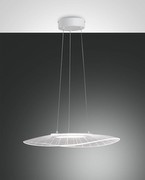
- LED-Pendelleuchte
- Serie: Vela
- Material: Metall, Methacrylat
- Maße: Breite 43 cm, Höhe max. 2000 mm, Länge 59 cm
- Leistung: 24W, Lichtfarbe: warmweiß, Lumen: 3400lm
- Lampen-Art: Hänge-/Pendelleuchte
Jetzt bewerten
ab 228,85€
5 Angebote
Zum Preisvergleich

- LED Pendelleuchte
- Maße: 2000x370mm
- Leistung: 40W
- Lichtfarbe: Warmweiß
- Dimmbar
- Lampen-Art: Hänge-/Pendelleuchte
Jetzt bewerten
ab 358,80€
4 Angebote
Zum Preisvergleich
Quelle: Galaxus.de
- Hängelampe
- Material: Metall und geblasenes Glas
- Maße: Durchmesser 250mm, Pendelhöhe 500-2000mm
- Fassung: E27, Leistung: 1x60W
- Lampen-Art: Hänge-/Pendelleuchte
Jetzt bewerten
ab 162,09€
4 Angebote
Zum Preisvergleich
Quelle: Galaxus.de
- LED Wandleuchte
- Serie: Giotto
- Maße: Ø300mm, B: 37cm, H: 6.5cm
- Lichtfarbe: Warmweiß (3000 Kelvin)
- Dimmbar, IP20, Ra > 80
- Lampen-Art: Wandleuchte
Jetzt bewerten
ab 115,10€
6 Angebote
Zum Preisvergleich
Quelle: kaufland.de
- LED Pendelleuchte
- Material: Metall, Methacrylat
- Maße: Breite 550mm, Höhe max. 2000mm, Länge 780mm
- Leistung: 1x40W, Lichtfarbe: warmweiß, Lumen: 5400lm
- Zusatzinfos: höhenverstellbar, integrierter WLAN Dimmer
- Produktart: Fabas Luce, Serie: Vela
- Lampen-Art: Hänge-/Pendelleuchte
Jetzt bewerten
ab 372,75€
4 Angebote
Zum Preisvergleich
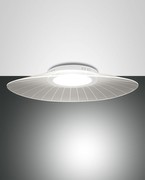
- LED-Deckenleuchte
- Dimmbar
- Puristisches Design
- Ideal für Wohn- oder Arbeitsbereich
- Kombinierbar mit klassischer oder moderner Einrichtung
- Lampen-Art: Deckenleuchte
Jetzt bewerten
ab 372,75€
6 Angebote
Zum Preisvergleich
Quelle: Galaxus.de
- Deckenleuchte
- Material: Metall, Methacrylat
- Maße: Höhe 12 cm, Länge 59 cm, Breite 43 cm
- Leistung: 24W, Lichtfarbe: warmweiß, Lumen: 4000lm
- Zusatzinfos: dimmbar, IP Klasse: IP20, Leuchtmittel inklusive
- Lampen-Art: Deckenleuchte
Jetzt bewerten
ab 237,07€
5 Angebote
Zum Preisvergleich
- Schild aus Naturschiefer
- Material: Naturschiefer mit Juteseil zum Aufhängen
- Eigenschaften: Wasserdicht, lichtbeständig, für Innen- und Außenbereich geeignet
- Maße: Breite 60 cm, Länge 100 cm, Höhe 10 mm
- Material: 100% Polypropylen
- Fußbodenheizungsgeeignet, Outdoorgeeignet
- Pflegehinweise: Ausklopfen, regelmäßig absaugen, nicht waschbar
- Spider-Man: No Way Home (Extended Version
Jetzt bewerten
ab 7,10€
130 Angebote
Zum Preisvergleich
Quelle: Galaxus.de
- LED-Pendelleuchte
- Serie: Prado
- Leistung: 5x 6,5 Watt
- Dimmbar in 3 Stufen über Wandschalter
- Lampen-Art: Hänge-/Pendelleuchte
Jetzt bewerten
ab 91,20€
9 Angebote
Zum Preisvergleich
Quelle: ManoMano
- Kompatibler Aktivkohlefilter für Dunstabzugshauben
- Effektive Filtration von Fett und unangenehmen Gerüchen
- Austausch alle 3 - 6 Monate empfohlen
- Einfache Reinigung in der Geschirrspülmaschine
- Durchmesser 20 cm, Höhe 3 cm
Jetzt bewerten
ab 29,99€
11 Angebote
Zum Preisvergleich
Anzeige
Weitere Angebote unserer Partner-Shops

Fab Fab Fab Expression Raglan B0GSRTRZ3B
Kaufen Sie Cool Shirts kümmert sich darum, was Sie tragen Heben Sie sich mit diesem tollen Gesprächsstarter aus der Liverpool-Menge hervor! leichter, klassischer Schnitt, doppelt genähte Ärmel und Saumabschluss

24,00€
Versand: frei!


Faber & Faber Termush (Faber Editions) A1066301042
Introduced by Jeff VanderMeer - ''a classic: stunning, dangerous, darkly beautiful'' - welcome to the post-apocalyptic White Lotus: a luxury hotel at the end of the world in this lost 1967 dystopia ... ''Chilling and prescient.'' Andrew Hunter Murray ''Elemental and true.'' Kiran Millwood Hargrave ''Mesmerizing.'' Sandra Newman ''Like someone from the future screaming to us.'' Salena Godden The day we came up from the shelters four people were found dead on the steps of the hotel. Welcome to Termush: a luxury coastal resort like no other. All the wealthy guests are survivors: preppers who reserved rooms long before the Disaster. Inside, they embrace exclusive radiation shelters, ambient music and lavish provisions; outside, radioactive dust falls on the sculpture park, security men step over dead birds, and a reconnaissance party embarks. Despite weathering a nuclear apocalypse, their problems are only just beginning. Soon, the Management begins censoring news; disruptive guests are sedated; initial generosity towards Strangers ceases as fears of contamination and limited resources grow. But as the numbers - and desperation - of external survivors increase, admist this moral fallout, they must decide what it means to forge a new ethical code at the end (or beginning?) of the world ... Translated by Sylvia Clayton
Sofort lieferbar
12,99€
Versand: frei!

Faber & Faber Queen (Faber Editions) A1077572492
Lose yourself in this tumultuous Swedish family saga, introduced by Sarah Moss ('a masterpiece') Judit is stubborn and singular, distant and unyielding. She is called Queen. Her realm is a windswept farm on a misty Swedish coastline.When she is nine, her dying mother places Judit's brother Viktor in her arms, and the two are bonded for life. Together with their silent brother, Albert,they forge a precarious family. But Judit has her secrets; she dreams amidst the salt spray. And when Viktor emigrates to America, the ground beneath her feet forever shifts. Translated into English for the first time, Queen (1964)is a visionary family saga: a mythic epic in miniature, mystical and anarchic. One of the greatest Swedish novelists of all time, Birgitta Trotzig casts another worldly light across the souls of her characters - and her readers. Translated by Saskia Vogel 'Fear, rage, love, resentment: the full range of human emotion is here . . . A story fuelled by inevitability and cold beauty.' Sarah Moss
Sofort per Download lieferbar

26,99€
Versand: frei!

Faber & Faber They (Faber Editions) A1069861430
For fans of I Who Have Never Known Men, a 'creepily prescient' (Margaret Atwood) lost dystopian 'masterpiece' (Emily St. John Mandel): in a nightmarish Britain, THEY are coming closer. 'A creepily prescient tale ... Insidiously horrifying!' Margaret Atwood 'A masterpiece of creeping dread.' Emily St. John Mandel 'As creepy, tense and strange as when I first read it 40 years ago.' Ian Rankin This is Britain: but not as we know it. THEY are coming closer . . . THEY begin with a dead dog, shadowy footsteps, confiscated books. Soon the National Gallery is purged; eerie towers survey the coast; savage mobs stalk the countryside destroying artworks - and those who resist. THEY capture dissidents - writers, painters, musicians, even the unmarried and childless - in military sweeps, 'curing' these subversives of individual identity. Survivors gather together as cultural refugees, preserving their crafts, creating, loving and remembering. But THEY make it easier to forget ... Lost for over forty years, Kay Dick's They (1977) is a rediscovered dystopian masterpiece of art under attack: a cry from the soul against censorship, a radical celebration of non-conformity - and a warning.
Sofort per Download lieferbar
26,99€
Versand: frei!

Faber & Faber Termush (Faber Editions) A1066301042
Introduced by Jeff VanderMeer - ''a classic: stunning, dangerous, darkly beautiful'' - welcome to the post-apocalyptic White Lotus: a luxury hotel at the end of the world in this lost 1967 dystopia ... ''Chilling and prescient.'' Andrew Hunter Murray ''Elemental and true.'' Kiran Millwood Hargrave ''Mesmerizing.'' Sandra Newman ''Like someone from the future screaming to us.'' Salena Godden The day we came up from the shelters four people were found dead on the steps of the hotel. Welcome to Termush: a luxury coastal resort like no other. All the wealthy guests are survivors: preppers who reserved rooms long before the Disaster. Inside, they embrace exclusive radiation shelters, ambient music and lavish provisions; outside, radioactive dust falls on the sculpture park, security men step over dead birds, and a reconnaissance party embarks. Despite weathering a nuclear apocalypse, their problems are only just beginning. Soon, the Management begins censoring news; disruptive guests are sedated; initial generosity towards Strangers ceases as fears of contamination and limited resources grow. But as the numbers - and desperation - of external survivors increase, admist this moral fallout, they must decide what it means to forge a new ethical code at the end (or beginning?) of the world ... Translated by Sylvia Clayton
2 - 3 Wochen
12,99€
Versand: frei!

Faber & Faber Maud Martha (Faber Editions) A1077530790
Gwendolyn Brooks (1917 - 2000) was an American poet, educator, and civil rights activist based in Chicago. Her first collection, A Street in Bronzeville (1945), was greeted with critical acclaim and a Guggenheim fellowship. Annie Allen (1949) won the Pulitzer Prize in 1950, making her the first ever Black author to do so; and her only novel, Maud Martha, was published in 1953. In The Mecca (1968) was nominated for the National Book Award, the same year she was appointed Poet Laureate of Illinois. Brooks was an inspiring role model and active participant in the 1960s and 1970s Black Arts Movement, leaving an international house to join the up-and-coming Black publisher Broadside Press. In 1976, she became the first Black woman inducted into the American Academy of Arts and Letters; and in 1985, the first to become Library of Congress Consultant in Poetry. She also published two volumes of autobiography and a book for children, and won a National Endowment for the Arts Lifetime Achievement Award. In 1939, Brooks had married Henry Lowington Blakely, Jr, whom she met after joining Chicago's NAACP Youth Council, and they had two children. Throughout her life, Brooks taught young writers and held numerous academic posts - she was awarded over seventy honorary degrees - and became a professor of English at Chicago State University in 1990 until her death in 2000.
Sofort per Download lieferbar
26,99€
Versand: frei!


* Die Preise und Versandkosten können sich seit der letzten Aktualisierung beim jeweiligen Händler verändert haben. Alle Preise sind Angaben des jeweiligen Anbieters inklusive Umsatzsteuer, zzgl. Versand - alle Angaben ohne Gewähr. Unser Angebot umfasst nur Anbieter, die für Ihre Weiterleitung an den Shop eine Klick-Provision an uns zahlen. Die Reihenfolge der Produktangebote richtet sich in absteigender Reihenfolge aus Beliebtheit des Angebotes (Weiterleitungen zu Händlern mittels Klick) und Häufigkeit der Suchbegriffe im Produktnamen, in der Beschreibung oder der Kategorienzugehörigkeit.
* Die Preise und Versandkosten können sich seit der letzten Aktualisierung beim jeweiligen Händler verändert haben. Alle Preise sind Angaben des jeweiligen Anbieters inklusive Umsatzsteuer, zzgl. Versand - alle Angaben ohne Gewähr. Unser Angebot umfasst nur Anbieter, die für Ihre Weiterleitung an den Shop eine Klick-Provision an uns zahlen. Die Reihenfolge der Produktangebote richtet sich in absteigender Reihenfolge aus Beliebtheit des Angebotes (Weiterleitungen zu Händlern mittels Klick) und Häufigkeit der Suchbegriffe im Produktnamen, in der Beschreibung oder der Kategorienzugehörigkeit.


©1999- 2026 by guenstiger.de
