


Für dieses Produkt haben wir gegenwärtig keine Händlerangebote in der Datenbank.
in allen Kategorien
in Computer
in Telekommunikation
in Hifi | Audio
in TV | Video | Foto
in Haushalt
in Freizeit
in Mode & Accessoires
in Haus & Garten
in Beauty & Gesundheit
in Auto & Motorrad
- ComputerArbeitsspeicherBauteileCPUDruckerDruckerzubehörEingabegerätFestplatteGrafikkarteKomplettsystemLaufwerkMainboardMonitorMultimediaNetzwerkNotebookNotebookzubehörPC-SpielScannerSoftwareSpeichermediumSpielekonsoleTablet & E-Book-ReaderTaschenrechnerComputer und Zubehör verschiedenster Anbieter findenJetzt shoppen

- TelekommunikationFaxgerätFunkgerätHandyHandyzubehörTelefon (Analog)Telefon (ISDN)Telefon (VoIP)TelefonanlageTelefone, Smartphones und Co. verschiedenster Anbieter findenJetzt shoppen

- Hifi | AudioAudio-KompaktanlageDJ EquipmentHifi-BausteinInstrumentenzubehörKopfhörerLautsprecherMusikinstrumentPortable AudioplayerRadioHiFi- und Audiogeräte verschiedenster Anbieter findenJetzt shoppen
- TV | Video | FotoBeamer + ZubehörBlu-ray-/DVD-GerätCamcorderFernseherFoto-/CamcorderzubehörFotokameraHome Cinema SystemObjektivOptikTV-ReceiverTV-ZubehörTV/Sat-AntenneTV-, Video- und Fotoapparate verschiedenster Anbieter findenJetzt shoppen

- HaushaltBaby-HomeBaby-MobilBack- & GrillgerätBügeleisenDunstabzugshaubeGefrierschrankGeschirrGeschirrspülerHeiz- & KlimagerätHerdKaffeemaschineKüchenhelferKühlschrankMikrowelleNähmaschinePersonenwaageReinigungsgerätStaubsaugerWaschmaschineWäschetrocknerHaushaltsgeräte verschiedenster Anbieter findenJetzt shoppen

- FreizeitBuchCamping + OutdoorFahrradFilme & SerienFitnessgerätModellbauSpiele + PuzzleSpielwarenSportSportschuheWintersportFreizeitartikel verschiedenster Anbieter findenJetzt shoppen

- Mode & AccessoiresMode DamenMode HerrenMode KinderMode-AccessoiresSchmuckSchuheTasche + KofferUhrKleidung, Schuhe & Accessoires verschiedenster Anbieter findenJetzt shoppen

- Haus & GartenBaumarktBürobedarfGartenHeimwerkerMöbelSonstigesTierbedarfWeihnachtenGarten- und Heimwerkerartikel verschiedenster Anbieter findenJetzt shoppen

- Beauty & GesundheitArzneimittelElektrische ZahnbürsteElektrorasiererGesundheitsproduktHaarstylerKontaktlinsenKosmetikWellnessGesundheitsprodukte und Kosmetik verschiedenster Anbieter findenJetzt shoppen

- Auto & MotorradAutoreifen + FelgeAutozubehörCar HifiMotorradNavigationssystemAuto- und Motorradzubehör verschiedenster Anbieter findenJetzt shoppen
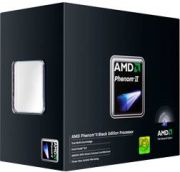
Abbildung ggf. abweichend
Preisalarm
AMD Phenom II X6 1090T Black Edition Boxed
Hersteller: AMD
Abbildung ggf. abweichend
Hersteller: AMD
- CPU
- Prozessor: AMD
- Prozessor Modell: AMD Phenom II X6
- Sockel: AM3
- Prozessor Modellnummer: 1090T
- L2-Cache: 3072KB
- L3-Cache: 9216KB
- Befehlssätze: AMD64, AMD-V, Cool'n'Quiet, MMX, SSE, SSE2, SSE3, SSE4a
Hersteller:
AMD
Tests und Testberichte

Test: Einzeltest: AMD Phenom II X6 1090T Black Edition
Zitat: Fassen wir zusammen, was wir auf den zurückliegenden Seiten an Informationen zum AMD-Prozessor gesammelt haben. Leistungsmäßig kann AMDs Phenom II X6 1090T mit 3,2 GHz Taktfrequenz zwar nicht mit den Six-Core-Prozessoren von Konkurrent Intel mithalten, konnte in unseren Tests aber dennoch einen positiven Eindruck hinterlassen. Neben den bis zu sechs parallelen Threads, die ein AMD-Six-Core zu verarbeiten weiß, gibt die K10-CPU auch bei Applikationen ohne Multi-Threading-Unterstützung richtig Gas! "Turbo Core" nennt sich das Feature der X6-Prozessoren mit dem Namenszusatz "T", das eine dynamische Taktänderung möglich macht. Turbo Core wird immer dann automatisch aktiviert, wenn das Betriebssystem die höchstmögliche CPU-Leistung (P0-State) benötigt. Diese so genannten P-States werden über ACPI gesteuert und von jedem modernen Betriebssystem unterstützt, weshalb die dynamische Übertaktung keine zusätzlichen Treiber oder weitere Software erfordert. Unser hier im Test befindlicher 3,2 GHz schnelle X6 1090T kann so mit bis zu 3,6 GHz arbeiten, ohne die spezifizierte TDP von 125 Watt zu überschreiten. Des Weiteren gibt der Phenom II X6 1090T auch beim manuellen Overclocking eine sehr gute Figur ab und lässt sich mühelos mit über 3,8 GHz betreiben. Da es sich um eine Black Edition handelt, ist der Multiplikator des Prozessors frei wählbar und macht das Übertakten dabei besonders

Test: Einzeltest: AMD Phenom II X6 1090T Black Edition CPU
Zitat: Ever since Intel launched their Core i7 (and later Core i5) CPUs, AMD have been left needing to compete on pricing and the like rather than outright performance - Hardly an unsurprising state of affairs given Intel´s traditional dominance of top-notch manufacturing processes and engineering, but it still left a lot of enthusiasts wanting for more, despite AMD succeeding in tempting some with the lure of unlocked multipliers on their Black Edition CPUs. However, while Intel seem satisfied with targeting only the ultra-enthusiast market with their first six-core desktop CPU, AMD appear to have caught their rivals cold somewhat by launching two six-core parts at far more affordable price points, with the flagship Phenom II X6 1090T we´ve examined today looking to stick it to at least some of Intel´s high-end Core i7 range. Whatever your opinion on the "core war" which has replaced the Megahertz conflict of times gone by, the prospect of six physical CPU cores for under £250 is undeniably a mouth-watering one. Of course, this extra processing power is offset by the advantages of Intel´s architecture in performance terms, but overall the Phenom II X6 1090T does a good job of keeping pace with Intel´s cheaper Socket LGA 1366 parts in the majority of situations. While Intel still most certainly have the upper hand for gamers, productivity performance is often a close-run thing between a Core i7 920 and Phenom II X6 1090T, with the latter grabbing some impressive leads on the (admittedly quite rare) occasions where it can put all six of its processing cores to good use. If your needs accommodate heavily threaded rendering however, the Phenom II X6 is a dream come true, while its combination of Turbo Core technology and that unlocked multiplier offer plenty of opportunity to squeeze further performance out of this part with some tweaking and overclocking. Throw into that what is now arguably a position of superiority on the motherboard chipset front from AMD, with Serial ATA 6Gbps support as standard and USB 3.0 available on most motherboards, with a choice of either half-decent integrated video or the more typical discrete graphics options, and AMD now have a platform that can serve a large number of potential buyers, with the prospect of a six-core CPU, 890-series motherboard and DirectX 11 GPU surely one that will tempt enthusiasts even given Intel´s slight advantage in gaming terms via their own CPUs. Regardless, if nothing else AMD should be commended for bringing six-core computing to the masses so quickly and in what is a genuinely compelling fashion in terms of both pricing and performance. We often talk about how competition is a good thing on these pages, and AMD´s aggressive introduction of the Phenom II X6 into the market is surely going to trigger plenty of that - We can´t imagine it´ll be long before Intel looks to woo high-end users with more six-core CPUs of their own, and that can only be a good thing for all involved. For now though, AMD are looking like the innovators, so we should rightfully let them enjoy their moment in the spotlight.

Test: Einzeltest: Sixpack
Zitat: + Im Vergleich zu vergleichbaren Intel Hexa-Cores günstig
+ In Experimenten arbeitete Turbo Core problemlos
- 3D-Spiele beschleunigt der Phenom weniger, als es die AMD-Versprechungen erwarten lassen
- Leistungsaufnahme schießt über die TDP hinaus, wenn man mit AMD Overdrive herumspielt und beispielsweise fünf statt drei Kernen voll auslastet

Test: Einzeltest: AMD Phenom II X6 1090T
Zitat: For: + Six cores for quad core money
+ Slots into existing motherboards
+ Excellent number-crunching
+ Overclocks easily to 4.0GHz
Against: - Game performance second to Intel i7
- Turbo CORE not so clever
- No increase in L3 cache for the extra cores
- Only dual channel DDR

Test: Einzeltest: AMD Phenom II X6 1090T Black Edition
Zitat: Despite being an astonishing £600 cheaper than the exorbitantly-priced Intel Core i7-980X Extreme Edition , the X6 1090T BE still isn’t a very good buy. That’s because despite being clocked at a respectable 3.2GHz and having a useful auto-overclocking feature in Turbo Core, it’s based on a comparatively old architecture – K10, which is in reality only a tweaked version of the ancient K8 architecture dating way back to 2003.
Meinungen
Beliebte Produkte

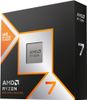
AMD Ryzen 7 9800X3D Boxed
ab 390,46€

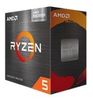
AMD Ryzen 5 5600G Boxed
ab 155,60€

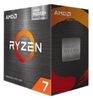
AMD Ryzen 7 5700G Boxed
ab 175,99€

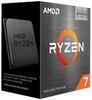
AMD Ryzen 7 5700X Boxed
ab 199,88€

AMD Ryzen 7 9850X3D Boxed
ab 435,00€

AMD Ryzen 9 9950X3D2 Dual Edition Boxed
ab 878,00€
Produktdaten
| Prozessor: | AMD |
|---|---|
| Prozessor Modell: | AMD Phenom II X6 |
| Prozessor Modellnummer: | 1090T |
| Sockel: | AM3 |
| L2-Cache: | 3072KB |
| L3-Cache: | 9216KB |
| Befehlssätze: | AMD64, AMD-V, Cool'n'Quiet, MMX, SSE, SSE2, SSE3, SSE4a |
| Max. Verbrauch: | 125 W |
| Boxed (inkl. Lüfter): | Ja |
3 Meinungen**
Neueste
Absoluter Hammer!!
|
23.12.2011
Brutale, starke Leistung das Teil u. dafür super günstig! Bei MW 3 CPU Leistung nur bei ca. 45 -50 Prozent! Kann man viele Anwendungen aufeinmal machen ohne Leistungsverlust. Muß kein i7 sein! AMD is TOP!!
Genial!
|
17.10.2011
Mit einem gutem Board ist die Leistung sensationell... Habe die Lüftung auf ein sehr gutes und leises Niveau bekommen. Alles in allem.. mehr als eine Empfehlung.. das Teil ist genail im Preis und Leistung.
Gerüstet für die Zukunft
|
09.06.2010
Mit diesem Prozessor ist man definitiv für die Zukunft gerüstet. Die Leistung ist unglaublich gut. Der Einbau war ganz einfach. Nur die Lüftung ist sehr laut, hier sollte man sich eine alternative Lösung suchen.
AMD Phenom II X6 1090T Black Edition Boxed Gesamte Bewertungen
5.0out of 5
Basierend auf 3 Nutzer-Meinungen
Teile uns deine Meinung zum Produkt mit!
Tests und Testberichte AMD Phenom II X6 1090T Black Edition Boxed
hardware-mag.de
Ausgabe 8/2011
Test: Einzeltest: AMD Phenom II X6 1090T Black Edition
Zitat: "Fassen wir zusammen, was wir auf den zurückliegenden Seiten an Informationen zum AMD-Prozessor gesammelt haben. Leistungsmäßig kann AMDs Phenom II X6 1090T mit 3,2 GHz Taktfrequenz zwar nicht mit den Six-Core-Prozessoren von Konkurrent Intel mithalten, konnte in unseren Tests aber dennoch einen positiven Eindruck hinterlassen..."
EliteBastards.com
Ausgabe 5/2010
Test: Einzeltest: AMD Phenom II X6 1090T Black Edition CPU
Zitat: "Ever since Intel launched their Core i7 (and later Core i5) CPUs, AMD have been left needing to compete on pricing and the like rather than outright performance - Hardly an unsurprising state of affairs given Intel´s traditional dominance of top-notch manufacturing processes and engineering, but it still left a lot of enthusi..."
c't
Ausgabe 11/2010
Test: Einzeltest: Sixpack
Zitat: "+ Im Vergleich zu vergleichbaren Intel Hexa-Cores günstig
+ In Experimenten arbeitete Turbo Core problemlos
- 3D-Spiele beschleunigt der Phenom weniger, als es die AMD-Versprechungen erwarten lassen
- Leistungsaufnahme schießt über die TDP hinaus, wenn man mit AMD Overdrive herumspielt und beispielsweise fünf statt drei ..."
techradar.com
Ausgabe 5/2010
Test: Einzeltest: AMD Phenom II X6 1090T
Zitat: "For: + Six cores for quad core money
+ Slots into existing motherboards
+ Excellent number-crunching
+ Overclocks easily to 4.0GHz
Against: - Game performance second to Intel i7
- Turbo CORE not so clev..."
bit-tech.net
Ausgabe 4/2010
Test: Einzeltest: AMD Phenom II X6 1090T Black Edition
Zitat: "Despite being an astonishing £600 cheaper than the exorbitantly-priced Intel Core i7-980X Extreme Edition , the X6 1090T BE still isn’t a very good buy. That’s because despite being clocked at a respectable 3.2GHz and having a useful auto-overclocking feature in Turbo Core, it’s based on a comparatively old architecture – K10..."

pcmag.com
Ausgabe 4/2010
Test: Einzeltest: AMD Phenom II X6 1090T Black Edition
Zitat: "Pros: AMD´s fastest processor yet. Turbo CORE technology introduces automatic overclocking. Less expensive than Intel´s top-tier CPU.
Cons: Considerably less powerful than Intel´s high-end CPUs.
Bottom L..."

hartware.net
Ausgabe 4/2010
Test: Einzeltest: AMD Phenom II X6 1090T mit 6 Kernen
Zitat: "Das Leistungspotential des Phenom II X6 1090T ist angesichts des Preises so hoch, dass dieser Prozessor die Auszeichnung als "Hartware TOP Product" definitv verdient hat!"

pcwelt.de
Ausgabe 4/2010
Test: Einzeltest: AMD Phenom II X6 1090T Black Edition

tweakers.net
Ausgabe 4/2010
Test: Einzeltest: Test Phenom II X6 1090T: AMD´s nieuwe six-shooter
Zitat: "Met zijn Core i-platform zette Intel zijn eeuwige rivaal op behoorlijke achterstand. De eerste AMD-hexacore voor de consumentenmarkt en de bijbehorende chipset moeten deze achterstand in elk geval weer deels ongedaan maken. En het moet gezegd: met de Thuban zet AMD een grote stap in de goede richting. Uit het energieverbruik ..."

overclockersclub.com
Ausgabe 4/2010
Test: Einzeltest: AMD Phenom II X6 1090T
Zitat: "Pros: + Six processing cores
+ Turbo Core technology
+ Under $300
+ Part of new "Leo Platform"
+ HyperTransport 3.0
+ Pricing
Cons: - Slower then the Intel 980X when compared core for core
..."


Beliebte Produkte


* Die Preise und Versandkosten können sich seit der letzten Aktualisierung beim jeweiligen Händler verändert haben. Alle Preise sind Angaben des jeweiligen Anbieters inklusive Umsatzsteuer, zzgl. Versand - alle Angaben ohne Gewähr. Unser Angebot umfasst nur Anbieter, die für Ihre Weiterleitung an den Shop eine Klick-Provision an uns zahlen.
** Es ist uns nicht möglich zu prüfen, ob die veröffentlichten Bewertungen von Verbrauchern stammen, die die Produkte tatsächlich verwendet oder erworben haben.
** Es ist uns nicht möglich zu prüfen, ob die veröffentlichten Bewertungen von Verbrauchern stammen, die die Produkte tatsächlich verwendet oder erworben haben.
* Die Preise und Versandkosten können sich seit der letzten Aktualisierung beim jeweiligen Händler verändert haben. Alle Preise sind Angaben des jeweiligen Anbieters inklusive Umsatzsteuer, zzgl. Versand - alle Angaben ohne Gewähr. Unser Angebot umfasst nur Anbieter, die für Ihre Weiterleitung an den Shop eine Klick-Provision an uns zahlen.
** Es ist uns nicht möglich zu prüfen, ob die veröffentlichten Bewertungen von Verbrauchern stammen, die die Produkte tatsächlich verwendet oder erworben haben.
** Es ist uns nicht möglich zu prüfen, ob die veröffentlichten Bewertungen von Verbrauchern stammen, die die Produkte tatsächlich verwendet oder erworben haben.


©1999- 2026 by guenstiger.de
Zu teuer?
Jetzt Preisalarm setzen!
Jetzt Preisalarm setzen!
Preisalarm
AMD Phenom II X6 1090T Black Edition Boxed bewerten

Das hat leider nicht funktioniert!
Die Seite konnte nicht aufgerufen werden, bitte versuchen Sie es später nochmal.

Formular schließen?
