in allen Kategorien
in Computer
in Telekommunikation
in Hifi | Audio
in TV | Video | Foto
in Haushalt
in Freizeit
in Mode & Accessoires
in Haus & Garten
in Beauty & Gesundheit
in Auto & Motorrad
- ComputerArbeitsspeicherBauteileCPUDruckerDruckerzubehörEingabegerätFestplatteGrafikkarteKomplettsystemLaufwerkMainboardMonitorMultimediaNetzwerkNotebookNotebookzubehörPC-SpielScannerSoftwareSpeichermediumSpielekonsoleTablet & E-Book-ReaderTaschenrechnerComputer und Zubehör verschiedenster Anbieter findenJetzt shoppen

- TelekommunikationFaxgerätFunkgerätHandyHandyzubehörTelefon (Analog)Telefon (ISDN)Telefon (VoIP)TelefonanlageTelefone, Smartphones und Co. verschiedenster Anbieter findenJetzt shoppen

- Hifi | AudioAudio-KompaktanlageDJ EquipmentHifi-BausteinInstrumentenzubehörKopfhörerLautsprecherMusikinstrumentPortable AudioplayerRadioHiFi- und Audiogeräte verschiedenster Anbieter findenJetzt shoppen
- TV | Video | FotoBeamer + ZubehörBlu-ray-/DVD-GerätCamcorderFernseherFoto-/CamcorderzubehörFotokameraHome Cinema SystemObjektivOptikTV-ReceiverTV-ZubehörTV/Sat-AntenneTV-, Video- und Fotoapparate verschiedenster Anbieter findenJetzt shoppen

- HaushaltBaby-HomeBaby-MobilBack- & GrillgerätBügeleisenDunstabzugshaubeGefrierschrankGeschirrGeschirrspülerHeiz- & KlimagerätHerdKaffeemaschineKüchenhelferKühlschrankMikrowelleNähmaschinePersonenwaageReinigungsgerätStaubsaugerWaschmaschineWäschetrocknerHaushaltsgeräte verschiedenster Anbieter findenJetzt shoppen
- FreizeitBuchCamping + OutdoorFahrradFilme & SerienFitnessgerätModellbauSpiele + PuzzleSpielwarenSportSportschuheWintersportFreizeitartikel verschiedenster Anbieter findenJetzt shoppen

- Mode & AccessoiresMode DamenMode HerrenMode KinderMode-AccessoiresSchmuckSchuheTasche + KofferUhrKleidung, Schuhe & Accessoires verschiedenster Anbieter findenJetzt shoppen
- Haus & GartenBaumarktBürobedarfGartenHeimwerkerMöbelSonstigesTierbedarfWeihnachtenGarten- und Heimwerkerartikel verschiedenster Anbieter findenJetzt shoppen
- Beauty & GesundheitArzneimittelElektrische ZahnbürsteElektrorasiererGesundheitsproduktHaarstylerKontaktlinsenKosmetikWellnessGesundheitsprodukte und Kosmetik verschiedenster Anbieter findenJetzt shoppen
- Auto & MotorradAutoreifen + FelgeAutozubehörCar HifiMotorradNavigationssystemAuto- und Motorradzubehör verschiedenster Anbieter findenJetzt shoppen

Suche verfeinern
Filtern
Alles löschen
Kategorie
✓Preis
✓Marke
0Verkäufer
0Deine Suche ergab leider keine Ergebnisse. Bitte ändere die zuletzt verwendeten Filter und versuche es erneut.
Zeigt 181 - 200 von 678 Ergebnissen
Filtern
Sortieren:
Beste Treffer
Beste Treffer
Preis: niedrig bis hoch
Preis: hoch bis niedrig
Ansicht:
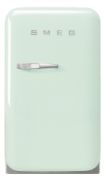
Tischkühlschrank
- Bauart: Freistehend
- Türanschlag: Rechts
- MPN: FAB5RPG5
- EPREL 309684
- Energieeffizienzklasse (neu): D (Skala A-G)
- Energieverbrauch (neu) 61 kWh/Jahr
- Volumen Kühlraum 34 l
- 3x Abstellflächen
- Elektronische Temperaturregelung
- Innenraumbeleuchtung
- Luftschallemissionen: 40 dB
- Luftschallemissionsklasse: C (Skala A-D)
- Maße: B40,4 cm x H71,5 cm x T56,9
Jetzt bewerten
ab 829,99€
4 Angebote
Zum Preisvergleich

- Kühlschrank mit Retro-Design in schwarzem Schiefertafel-Look
- Nutzinhalt von 222 Litern
- Abtauautomatik und LED-Innenbeleuchtung
- 3 Ablageflächen, 4 Türablagen und 2 Gemüseschubladen im Kühlteil
- 1 Gefrierfach mit Klappe im Gefrierteil
- Maße: Höhe 150 cm, Breite 60 cm, Tiefe 76,8 cm
- Bauart: Freistehend
- MPN: FAB28RDBB5
- EPREL 376203
- Energieeffizienzklasse (neu): D (Skala A-G
Jetzt bewerten
ab 2.556,00€
1 Angebot
Zum Preisvergleich
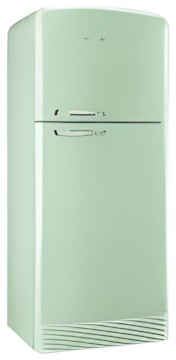
Kühl-Gefrier-Kombi
- Bauart: Freistehend
- Türanschlag: Rechts
- MPN: FAB50RPG
- EPREL 403721
- Energieeffizienzklasse (neu): G (Skala A-G)
- Energieeffizienzklasse: A++
- Klimaklasse: N, ST, T
- 10 h Lagerzeit bei Störung
- 4 Sterne Gefrierfach
- 28 l Nutzinhalt der Frischhaltezone
- 4x Abstellflächen
- Flaschenablage
- 2 Frischhalte-Schubladen
- 1x Abstellflächen Gefrierraum
- Ei
Jetzt bewerten
ab 2.177,00€
4 Angebote
Zum Preisvergleich
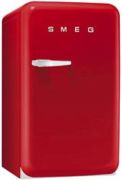
Kühlschrank
- Bauart: Freistehend
- Türanschlag: Rechts
- MPN: FAB10RDLM5
- EPREL 1484351
- Energieeffizienzklasse (neu): E (Skala A-G)
- Energieeffizienzklasse: A
- 10 h Lagerzeit bei Störung
- 2x Abstellflächen
- Gemüsebehälter
- Abtauautomatik Kühlteil
Jetzt bewerten
ab 949,00€
8 Angebote
Zum Preisvergleich

Kühl-Gefrier-Kombi
- Bauart: Freistehend
- Türanschlag: Rechts
- MPN: FAB32ROR5
- EPREL 307179
- Energieeffizienzklasse (neu): D (Skala A-G)
- Klimaklasse: SN-N-ST-T
- Energieverbrauch (neu) 204 kWh/Jahr
- 6 kg in 24 h Gefriervermögen (neu)
- 40 h Lagerzeit bei Störung
- 4 Sterne Gefrierfach
- Kaltlagerzone
- Volumen Kühlraum 234 l
- Volumen Gefrierraum 97 l
- 3x Abstellflächen
- 2
Jetzt bewerten
ab 1.829,99€
3 Angebote
Zum Preisvergleich

Kühl-Gefrier-Kombi
- Bauart: Freistehend
- Türanschlag: Links
- French-Door: Nein
- EPREL 307138
- Energieeffizienzklasse (neu): D (Skala A-G)
- Klimaklasse: SN-N-ST-T
- Energieverbrauch (neu) 204 kWh/Jahr
- 6 kg in 24 h Gefriervermögen (neu)
- 40 h Lagerzeit bei Störung
- 4 Sterne Gefrierfach
- Kaltlagerzone
- Volumen Kühlraum 234 l
- Volumen Gefrierraum 97 l
- 3x Abstellflächen
-
Jetzt bewerten
ab 1.749,00€
2 Angebote
Zum Preisvergleich

Kühl-Gefrier-Kombi
- Bauart: Freistehend
- Türanschlag: Links
- EPREL 307139
- Energieeffizienzklasse (neu): D (Skala A-G)
- Energieeffizienzklasse: A+++
- Klimaklasse: SN-T
- Energieverbrauch (neu) 204 kWh/Jahr
- 6 kg in 24 h Gefriervermögen (neu)
- 40 h Lagerzeit bei Störung
- 4 Sterne Gefrierfach
- Kaltlagerzone
- Volumen Kühlraum 234 l
- Volumen Gefrierraum 97 l
- 30 l Nutzinhal
Jetzt bewerten
ab 1.779,99€
3 Angebote
Zum Preisvergleich
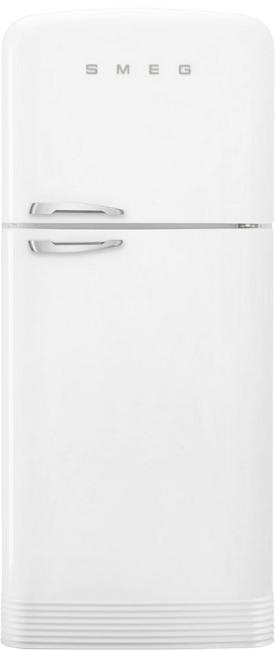
- Bauart: Freistehend
- MPN: FAB50RWH5
- EPREL 309455
- Energieeffizienzklasse (neu): E (Skala A-G)
- Energieverbrauch (neu) 265 kWh/Jahr
- Volumen Kühlraum 400 l
- Volumen Gefrierraum 124 l
- No Frost - Automatik
- Abtauautomatik Kühlteil
Jetzt bewerten
ab 2.178,00€
1 Angebot
Zum Preisvergleich

Quelle: Köck DE
- Kühlschrank
- Rechtsanschlag
- Volumen von 130 Litern
- Bauart: Freistehend
- MPN: FAB10HRCR6
- EPREL 1996994
- Energieeffizienzklasse (neu): D (Skala A-G)
- Energieverbrauch (neu) 72 kWh/Jahr
- Volumen Kühlraum 135 l
- Abtauautomatik Kühlteil
Jetzt bewerten
ab 929,00€
5 Angebote
Zum Preisvergleich
Quelle: kaufland.de
- Retro Kühl-/Gefrierkombination im 50er Jahre-Design
- Breite von 70,6 cm
- Abgerundete Kanten und verchromte Details
- Großes Fassungsvermögen für Lebensmittel
- Fächer mit glänzenden Chromoberflächen
- Obst- und Gemüseschublade mit variabler Belüftung
- Material: Kunststoff
- Bauart: Freistehend
- MPN: FAB38LBL6
- EPREL 2092270
- Energieeffizienzklasse (neu): D (Skala A-G)
- Energie
Jetzt bewerten
ab 2.127,05€
5 Angebote
Zum Preisvergleich
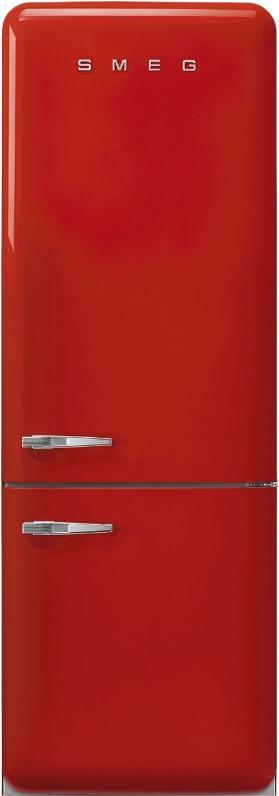
- Bauart: Freistehend
- MPN: FAB38RRD6
- EPREL 2092273
- Energieeffizienzklasse (neu): D (Skala A-G)
- Energieverbrauch (neu) 230 kWh/Jahr
- Volumen Kühlraum 344 l
- Volumen Gefrierraum 137 l
- No Frost - Automatik
- Abtauautomatik Kühlteil
Jetzt bewerten
ab 2.200,00€
4 Angebote
Zum Preisvergleich
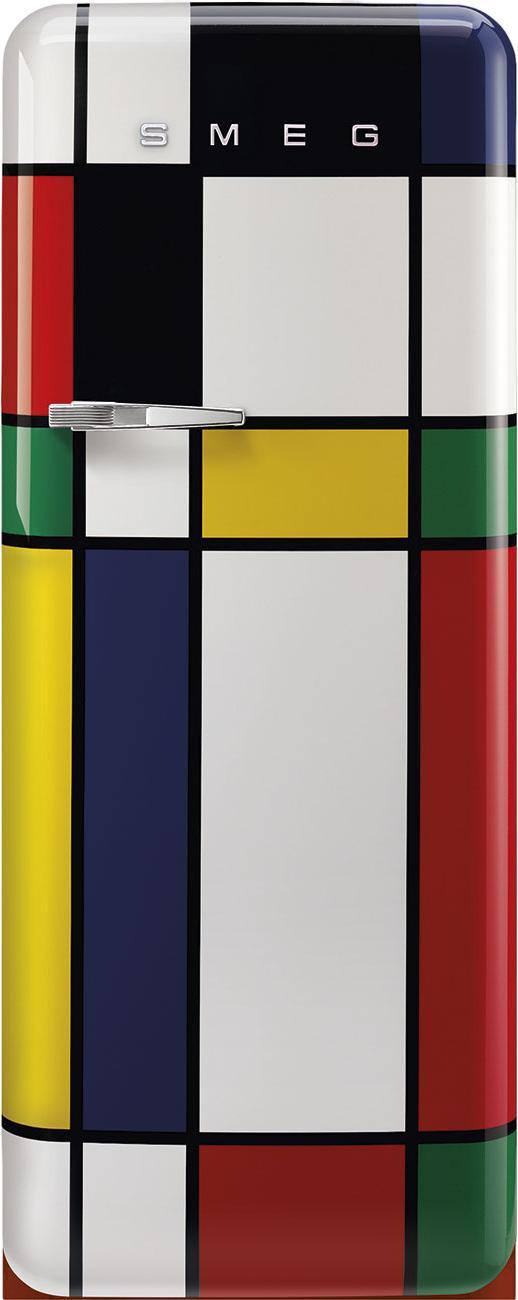
- Bauart: Freistehend
- MPN: FAB28RDMC6
- EPREL 2215846
- Energieeffizienzklasse (neu): C (Skala A-G)
- Energieverbrauch (neu) 104 kWh/Jahr
- Volumen Kühlraum 244 l
- Volumen Gefrierraum 26 l
- Abtauautomatik Kühlteil: Nein
Jetzt bewerten
ab 1.599,00€
3 Angebote
Zum Preisvergleich
Kühl-Gefrier-Kombi
- Bauart: Freistehend
- Türanschlag: Rechts
- MPN: FAB30RBL5
- EPREL 306909
- Energieeffizienzklasse (neu): D (Skala A-G)
- Klimaklasse: SN, N, ST, T
- Energieverbrauch (neu) 168 kWh/Jahr
- 4 kg in 24 h Gefriervermögen (neu)
- 30 h Lagerzeit bei Störung
- 4 Sterne Gefrierfach
- Kaltlagerzone
- Volumen Kühlraum 222 l
- Volumen Gefrierraum 72 l
- 3x Abstellflächen
Jetzt bewerten
ab 1.499,99€
4 Angebote
Zum Preisvergleich
Quelle: kaufland.de
- Kühlschrank im 50er-Jahre-Design mit integriertem Gefrierfach
- Multiflow-System für gleichmäßige Kaltluftverteilung
- Obst- und Gemüseschublade mit Luftfeuchtigkeitsregler
- LED-Beleuchtung für optimale Sicht im Innenraum
- Elektronische Temperaturregelung mit Türalarm
- Inverter-Kompressor für leisen Betrieb
- Material: Kunststoff, Chromdetails, Maße: Höhe 151 cm, Breite 60 cm, Tiefe 65
Jetzt bewerten
ab 1.149,00€
5 Angebote
Zum Preisvergleich
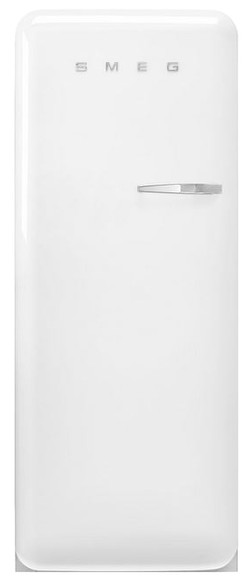
Kühlschrank
- Bauart: Freistehend
- Türanschlag: Links
- MPN: FAB28LWH5
- EPREL 376133
- Energieeffizienzklasse (neu): D (Skala A-G)
- Klimaklasse: SN-T
- Energieverbrauch (neu) 130 kWh/Jahr
- 9 h Lagerzeit bei Störung
- 2,6 kg in 24 h Gefriervermögen (neu)
- Frischhaltezone
- Volumen Kühlraum 244 l
- Volumen Gefrierraum 26 l
- 3x Abstellflächen
- 2 Frischhalte-Schubladen
- Gemüseb
Jetzt bewerten
ab 1.219,00€
4 Angebote
Zum Preisvergleich
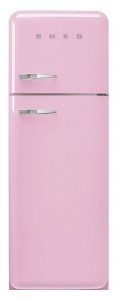
- Kühl-/Gefrierkombination im einzigartigen 50er Jahre Retro-Stil
- 2 flächenbündige LED-Innenlichtleisten, 1 Obst/Gemüse-Schublade
- 4 Abstellflächen aus Sicherheitsglas, 3 variabel höhenverstellbar
- MPN: FAB30RPK5
- EPREL 306975
- Energieeffizienzklasse (neu): D (Skala A-G)
- Energieverbrauch (neu) 168 kWh/Jahr
- Volumen Kühlraum 222 l
- Volumen Gefrierraum 72 l
- No Frost - Automatik
Jetzt bewerten
ab 1.499,99€
3 Angebote
Zum Preisvergleich
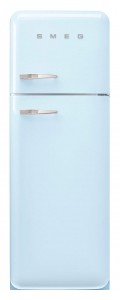
Kühl-Gefrier-Kombi
- Bauart: Freistehend
- Türanschlag: Rechts
- MPN: FAB30RPB5
- EPREL 306954
- Energieeffizienzklasse (neu): D (Skala A-G)
- Energieverbrauch (neu) 168 kWh/Jahr
- 4 kg in 24 h Gefriervermögen (neu)
- 30 h Lagerzeit bei Störung
- 4 Sterne Gefrierfach
- Frischhaltezone
- Volumen Kühlraum 222 l
- Volumen Gefrierraum 72 l
- 3x Abstellflächen
- 2 Frischhalte-Schubladen
Jetzt bewerten
ab 1.499,99€
3 Angebote
Zum Preisvergleich
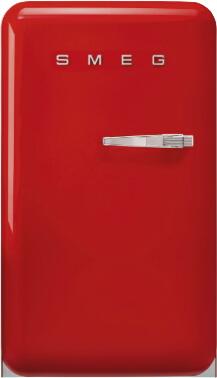
- Stand-Kühlschrank im 50's Style mit einem Türanschlag links
- LED-Innenbeleuchtung für bessere Sicht
- Rauminhalt Kühlen: 105 l, Gefrieren: 17 l
- Material: Kunststoff
- Maße: Höhe 97 cm, Breite 54,5 cm, Tiefe 70,1 cm
- MPN: FAB10LRD6
- EPREL 1997041
- Energieeffizienzklasse (neu): D (Skala A-G)
Jetzt bewerten
ab 869,00€
5 Angebote
Zum Preisvergleich
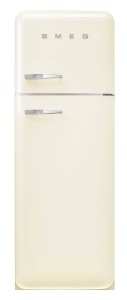
Kühlschrank
- Bauart: Freistehend
- Türanschlag: Rechts
- EPREL 306933
- Energieeffizienzklasse (neu): D (Skala A-G)
- Klimaklasse: SN, N, ST, T
- Energieverbrauch (neu) 168 kWh/Jahr
- 30 h Lagerzeit bei Störung
- 4 kg in 24 h Gefriervermögen (neu)
- 4 Sterne Gefrierfach
- Kaltlagerzone
- Volumen Kühlraum 222 l
- Volumen Gefrierraum 72 l
- 3x Abstellflächen
- 2 Frischhalte-Schublade
Jetzt bewerten
ab 1.499,99€
2 Angebote
Zum Preisvergleich

- Retro-Kühlschrank in pinkem Design
- Geräuschemission von 38 dB
- Kühlfach mit 244 l und Gefrierfach mit 26 l
- Ausgestattet mit Abtauautomatik und LED-Innenbeleuchtung
- 3 Ablageflächen, 4 Türablagen und 2 Gemüseschubladen
- Maße: Höhe 150 cm, Breite 60 cm, Tiefe 76,8 cm
- Bauart: Freistehend
- MPN: FAB28RPK5
- EPREL 376220
- Energieeffizienzklasse (neu): D (Skala A-G)
Jetzt bewerten
ab 1.219,99€
3 Angebote
Zum Preisvergleich
Anzeige
Weitere Angebote unserer Partner-Shops

Fab Fab Fab Expression Raglan B0GSRTRZ3B
Kaufen Sie Cool Shirts kümmert sich darum, was Sie tragen Heben Sie sich mit diesem tollen Gesprächsstarter aus der Liverpool-Menge hervor! leichter, klassischer Schnitt, doppelt genähte Ärmel und Saumabschluss

24,00€
Versand: frei!


Faber & Faber Termush (Faber Editions) A1066301042
Introduced by Jeff VanderMeer - ''a classic: stunning, dangerous, darkly beautiful'' - welcome to the post-apocalyptic White Lotus: a luxury hotel at the end of the world in this lost 1967 dystopia ... ''Chilling and prescient.'' Andrew Hunter Murray ''Elemental and true.'' Kiran Millwood Hargrave ''Mesmerizing.'' Sandra Newman ''Like someone from the future screaming to us.'' Salena Godden The day we came up from the shelters four people were found dead on the steps of the hotel. Welcome to Termush: a luxury coastal resort like no other. All the wealthy guests are survivors: preppers who reserved rooms long before the Disaster. Inside, they embrace exclusive radiation shelters, ambient music and lavish provisions; outside, radioactive dust falls on the sculpture park, security men step over dead birds, and a reconnaissance party embarks. Despite weathering a nuclear apocalypse, their problems are only just beginning. Soon, the Management begins censoring news; disruptive guests are sedated; initial generosity towards Strangers ceases as fears of contamination and limited resources grow. But as the numbers - and desperation - of external survivors increase, admist this moral fallout, they must decide what it means to forge a new ethical code at the end (or beginning?) of the world ... Translated by Sylvia Clayton
Sofort lieferbar
12,99€
Versand: frei!

Faber & Faber Queen (Faber Editions) A1077572492
Lose yourself in this tumultuous Swedish family saga, introduced by Sarah Moss ('a masterpiece') Judit is stubborn and singular, distant and unyielding. She is called Queen. Her realm is a windswept farm on a misty Swedish coastline.When she is nine, her dying mother places Judit's brother Viktor in her arms, and the two are bonded for life. Together with their silent brother, Albert,they forge a precarious family. But Judit has her secrets; she dreams amidst the salt spray. And when Viktor emigrates to America, the ground beneath her feet forever shifts. Translated into English for the first time, Queen (1964)is a visionary family saga: a mythic epic in miniature, mystical and anarchic. One of the greatest Swedish novelists of all time, Birgitta Trotzig casts another worldly light across the souls of her characters - and her readers. Translated by Saskia Vogel 'Fear, rage, love, resentment: the full range of human emotion is here . . . A story fuelled by inevitability and cold beauty.' Sarah Moss
Sofort per Download lieferbar

26,99€
Versand: frei!

Faber & Faber They (Faber Editions) A1069861430
For fans of I Who Have Never Known Men, a 'creepily prescient' (Margaret Atwood) lost dystopian 'masterpiece' (Emily St. John Mandel): in a nightmarish Britain, THEY are coming closer. 'A creepily prescient tale ... Insidiously horrifying!' Margaret Atwood 'A masterpiece of creeping dread.' Emily St. John Mandel 'As creepy, tense and strange as when I first read it 40 years ago.' Ian Rankin This is Britain: but not as we know it. THEY are coming closer . . . THEY begin with a dead dog, shadowy footsteps, confiscated books. Soon the National Gallery is purged; eerie towers survey the coast; savage mobs stalk the countryside destroying artworks - and those who resist. THEY capture dissidents - writers, painters, musicians, even the unmarried and childless - in military sweeps, 'curing' these subversives of individual identity. Survivors gather together as cultural refugees, preserving their crafts, creating, loving and remembering. But THEY make it easier to forget ... Lost for over forty years, Kay Dick's They (1977) is a rediscovered dystopian masterpiece of art under attack: a cry from the soul against censorship, a radical celebration of non-conformity - and a warning.
Sofort per Download lieferbar
26,99€
Versand: frei!


* Die Preise und Versandkosten können sich seit der letzten Aktualisierung beim jeweiligen Händler verändert haben. Alle Preise sind Angaben des jeweiligen Anbieters inklusive Umsatzsteuer, zzgl. Versand - alle Angaben ohne Gewähr. Unser Angebot umfasst nur Anbieter, die für Ihre Weiterleitung an den Shop eine Klick-Provision an uns zahlen. Die Reihenfolge der Produktangebote richtet sich in absteigender Reihenfolge aus Beliebtheit des Angebotes (Weiterleitungen zu Händlern mittels Klick) und Häufigkeit der Suchbegriffe im Produktnamen, in der Beschreibung oder der Kategorienzugehörigkeit.
* Die Preise und Versandkosten können sich seit der letzten Aktualisierung beim jeweiligen Händler verändert haben. Alle Preise sind Angaben des jeweiligen Anbieters inklusive Umsatzsteuer, zzgl. Versand - alle Angaben ohne Gewähr. Unser Angebot umfasst nur Anbieter, die für Ihre Weiterleitung an den Shop eine Klick-Provision an uns zahlen. Die Reihenfolge der Produktangebote richtet sich in absteigender Reihenfolge aus Beliebtheit des Angebotes (Weiterleitungen zu Händlern mittels Klick) und Häufigkeit der Suchbegriffe im Produktnamen, in der Beschreibung oder der Kategorienzugehörigkeit.


©1999- 2026 by guenstiger.de
