Für dieses Produkt haben wir gegenwärtig keine Händlerangebote in der Datenbank.
in allen Kategorien
in Computer
in Telekommunikation
in Hifi | Audio
in TV | Video | Foto
in Haushalt
in Freizeit
in Mode & Accessoires
in Haus & Garten
in Beauty & Gesundheit
in Auto & Motorrad
- ComputerArbeitsspeicherBauteileCPUDruckerDruckerzubehörEingabegerätFestplatteGrafikkarteKomplettsystemLaufwerkMainboardMonitorMultimediaNetzwerkNotebookNotebookzubehörPC-SpielScannerSoftwareSpeichermediumSpielekonsoleTablet & E-Book-ReaderTaschenrechnerComputer und Zubehör verschiedenster Anbieter findenJetzt shoppen
- TelekommunikationFaxgerätFunkgerätHandyHandyzubehörTelefon (Analog)Telefon (ISDN)Telefon (VoIP)TelefonanlageTelefone, Smartphones und Co. verschiedenster Anbieter findenJetzt shoppen

- Hifi | AudioAudio-KompaktanlageDJ EquipmentHifi-BausteinInstrumentenzubehörKopfhörerLautsprecherMusikinstrumentPortable AudioplayerRadioHiFi- und Audiogeräte verschiedenster Anbieter findenJetzt shoppen
- TV | Video | FotoBeamer + ZubehörBlu-ray-/DVD-GerätCamcorderFernseherFoto-/CamcorderzubehörFotokameraHome Cinema SystemObjektivOptikTV-ReceiverTV-ZubehörTV/Sat-AntenneTV-, Video- und Fotoapparate verschiedenster Anbieter findenJetzt shoppen
- HaushaltBaby-HomeBaby-MobilBack- & GrillgerätBügeleisenDunstabzugshaubeGefrierschrankGeschirrGeschirrspülerHeiz- & KlimagerätHerdKaffeemaschineKüchenhelferKühlschrankMikrowelleNähmaschinePersonenwaageReinigungsgerätStaubsaugerWaschmaschineWäschetrocknerHaushaltsgeräte verschiedenster Anbieter findenJetzt shoppen
- FreizeitBuchCamping + OutdoorFahrradFilme & SerienFitnessgerätModellbauSpiele + PuzzleSpielwarenSportSportschuheWintersportFreizeitartikel verschiedenster Anbieter findenJetzt shoppen

- Mode & AccessoiresMode DamenMode HerrenMode KinderMode-AccessoiresSchmuckSchuheTasche + KofferUhrKleidung, Schuhe & Accessoires verschiedenster Anbieter findenJetzt shoppen

- Haus & GartenBaumarktBürobedarfGartenHeimwerkerMöbelSonstigesTierbedarfWeihnachtenGarten- und Heimwerkerartikel verschiedenster Anbieter findenJetzt shoppen

- Beauty & GesundheitArzneimittelElektrische ZahnbürsteElektrorasiererGesundheitsproduktHaarstylerKontaktlinsenKosmetikWellnessGesundheitsprodukte und Kosmetik verschiedenster Anbieter findenJetzt shoppen

- Auto & MotorradAutoreifen + FelgeAutozubehörCar HifiMotorradNavigationssystemAuto- und Motorradzubehör verschiedenster Anbieter findenJetzt shoppen
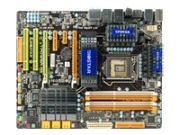
Abbildung ggf. abweichend
Preisalarm
Biostar TPower I55
Hersteller: Biostar
Abbildung ggf. abweichend
Hersteller: Biostar
- Mainboard
- Sockel: 1156
- Speichertyp: DDR3
- Anschlüsse: FireWire 400 (IEEE 1394), Kopfhörer, Mikrofon, USB 2.0, Gigabit Ethernet RJ45 (1000 Mbit)
- Formfaktor: ATX
- LAN-Chip: Intel 82578DC
- LAN-Geschwindigkeit: 10 Mbit (IEEE 802.3), 100 Mbit (IEEE 802.3u), 1000 Mbit (IEEE 802.3ab)
- Audio-Chip: Realtek ALC888
Hersteller:
Biostar
Tests und Testberichte

Test: Einzeltest: Biostar TPower i55 – Super Middle Weight Contender

Test: Einzeltest: Biostar TPower I55

Test: Einzeltest: Biostar TPower I55
Zitat: Pros: + Performance
+ Overlclocking Eigenschaften
Cons: - Lüfteranschlüsse
- Laschen PCI Express Slots
Abschließend lässt sich sagen: Der neueste Spross der TPower Familie von Biostar kann den Ruf der Vorgänger bewahren. Die Optionen im O.N.E. Menü und die erreichten Ergebnisse in den Stabilitätstests und Benchmarks lassen keine Zweifel daran aufkommen. Etwas geschwächt wird der gute Eindruck hingegen durch die geringe Anzahl an optionalen Lüfteranschlüssen, den leichten Biosproblemen beim Einstellen des Speichers und die Positionierung der Laschen der PCI Express Slots. Ist dies zu verschmerzen, steht einem möglichen Kauf der rund 135€ teuren Platine nichts im Wege.

Test: Einzeltest: Biostar TPower I55 motherboard
Zitat: As we discussed in our first P55 motherboard review on launch day, Intel´s impeccable delivery when it comes to new chipsets means that there´s little risk when becoming an early adopter of such solutions, and just as ASUS´ offering on that occasion proved to be both stable and fully functional so our Biostar TPower I55 managed to offer exactly the same experience in terms of simply plugging it in and getting down to business. While we´ve talked about Lynnfield as a mainstream solution at some length in recent times, it shouldn´t be forgotten that Intel´s repositioning of their LGA 1366 socket and X58 motherboard platform towards the ultra high-end (launching Extreme Edition CPUs only on that socket from now on in other words) has left more than enough room for P55 to become the enthusiast motherboard chipset of choice as well, and it´s clearly this market which Biostar are targeting with the TPower I55, from support for both CrossFireX and SLI and the board´s overall slot configuration through to those dual NICs and power/reset buttons on the motherboard itself. Certainly, in terms of features there´s a lot to like about the TPower I55 - All of your multi-GPU bases are covered with a couple of other PCI Express expansion slots to spare, two eSATA ports are definitely a useful addition and so on. The only real criticism we could make here is the relative lack of fan headers on this motherboard - Three isn´t a lot for a high-end board which is likely to be housed in an equally high-end chassis, particularly when one fan header is blocked off by the graphics board. Even without chassis cooling, our dual-fan Noctua cooler took up both free headers, which isn´t exactly ideal. If we´re being really picky, the inclusion of a floppy connector is also arguably not necessary for this level of motherboard. Overall, stock performance of the Biostar TPower I55 is exactly where we´d expect it to be, with no flaws in this discipline that are really worthy of note and an excellent selection of BIOS options to tweak things to your needs. However, when it comes to overclocking all of those options did little to help us reach the same giddy heights that we managed previously with a far cheaper ASUS motherboard - A flash to the latest available BIOS certainly helped substantially, but "only" succeeded in helping us to reach 3.5GHz when we were looking for more to be honest. That isn´t to say that 3.5GHz is a terrible overclock, but the hardcore enthusiasts at whom this motherboard is aimed will know that more can be done with even a humble Core i5 750 CPU, and they´ll quite rightly be disappointed. Whether future BIOS updates will further improve things it´s hard to say, but as of right now I certainly wouldn´t list the TPower I55 as an overclocker´s motherboard of choice. So, in closing, the TPower I55 isn´t a bad motherboard by any stretch of the imagination - It has a reasonably well thought-out design, it performs as you´d expect, and the inclusion of both SLI and CrossFire support along with plenty of other expansion slots gives you plenty of options which are only increased by the presence of two eSATA ports and dual NICs. However, the minor design oddities could be off-putting (if you´re looking to plug a lot of case fans directly into your motherboard, this isn´t the part for you), and most importantly the motherboard´s overclocking potential simply isn´t where we´d like it to be; points which make that £140 asking price start to look a little uncomfortable compared to some of the other offerings on the market.
Beliebte Produkte

Biostar H61MHV3
ab 57,89€

Biostar B760MXC Pro 2.0
ab 105,21€

Biostar B760A-Silver
ab 64,90€

Biostar H610MT-E
ab 81,98€

Biostar Z690MX2-E D4
ab 84,17€

ASUS Pro B860M-C-CSM
ab 133,84€

ASUS ROG Maximus Z890 Extreme
ab 682,99€

GIGABYTE Z790 D
ab 143,72€

MSI Pro B760M-P DDR4
ab 84,10€

ASRock B760M Steel Legend WiFi
ab 137,90€
Produktdaten
| RAID Kompatibilität: | JBOD, RAID 0, RAID 0+1, RAID 1, RAID 5 |
|---|---|
| Anschlüsse: | FireWire 400 (IEEE 1394), Kopfhörer, Mikrofon, USB 2.0, Gigabit Ethernet RJ45 (1000 Mbit) |
| PCI-Express-Schnittstellen: | 1x PCI Express x1, 1x PCI Express x4 |
| PCI-Schnittstelle: | 2x |
| Formfaktor: | ATX |
|---|
| Sockel: | 1156 |
|---|
| Speichertyp: | DDR3 |
|---|
| LAN-Chip: | Intel 82578DC |
|---|---|
| LAN-Geschwindigkeit: | 10 Mbit (IEEE 802.3), 100 Mbit (IEEE 802.3u), 1000 Mbit (IEEE 802.3ab) |
| Audio-Chip: | Realtek ALC888 |
Biostar TPower I55 Bewertungen

Sei der Erste, der dieses Produkt bewertet! Deine Erfahrung kann anderen Nutzern bei ihrer
Tests und Testberichte Biostar TPower I55
anandtech.com
Ausgabe 11/2009
Test: Einzeltest: Biostar TPower i55 – Super Middle Weight Contender
reghardware.co.uk
Ausgabe 11/2009
Test: Einzeltest: Biostar TPower I55
awardfabrik.de
Ausgabe 9/2009
Test: Einzeltest: Biostar TPower I55
Zitat: "Pros: + Performance
+ Overlclocking Eigenschaften
Cons: - Lüfteranschlüsse
- Laschen PCI Express Slots
Abschließend lässt sich sagen: Der neueste Spross der TPower Familie von Biostar kann den Ruf der Vorgänger bewahren. Die Optionen im O.N.E. Menü und die erreichten Ergebnisse in den Stabilitätstests und Benchmar..."
EliteBastards.com
Ausgabe 9/2009
Test: Einzeltest: Biostar TPower I55 motherboard
Zitat: "As we discussed in our first P55 motherboard review on launch day, Intel´s impeccable delivery when it comes to new chipsets means that there´s little risk when becoming an early adopter of such solutions, and just as ASUS´ offering on that occasion proved to be both stable and fully functional so our Biostar TPower I55 manag..."
Beliebte Kaufberatungen
- Beliebte B660-Mainboards im Vergleich: So ist der PC auf einer guter Basis07.08.2023

- Beliebte Mainboards mit B760-Sockel im Vergleich25.07.2023
- Beliebte Mainboards für Intel-1200-Sockel im Vergleich24.02.2023
- Beliebte Mainboards für Intel Sockel 1700 im Vergleich23.02.2023
- Beliebt und richtig schnell: X670E-Mainboards im Vergleich – das "E" steht für Extreme13.08.2024

- Mainboard-Kaufberatung für AM5 Sockel: Die beliebtesten Motherboards im Vergleich14.12.2023
- Beliebte Mainboards mit B650E-Sockel im Vergleich25.07.2023
- Preis-Leistungs-Tipp: A620-Mainboards im Vergleich24.07.2023
- Beliebte AMD-Mainboards mit AM4-Sockel im Vergleich16.02.2023
- AMD Mainboards im Vergleich: Die beliebtesten Modelle für jeden PC13.05.2022
Beliebte Produkte

* Die Preise und Versandkosten können sich seit der letzten Aktualisierung beim jeweiligen Händler verändert haben. Alle Preise sind Angaben des jeweiligen Anbieters inklusive Umsatzsteuer, zzgl. Versand - alle Angaben ohne Gewähr. Unser Angebot umfasst nur Anbieter, die für Ihre Weiterleitung an den Shop eine Klick-Provision an uns zahlen.
* Die Preise und Versandkosten können sich seit der letzten Aktualisierung beim jeweiligen Händler verändert haben. Alle Preise sind Angaben des jeweiligen Anbieters inklusive Umsatzsteuer, zzgl. Versand - alle Angaben ohne Gewähr. Unser Angebot umfasst nur Anbieter, die für Ihre Weiterleitung an den Shop eine Klick-Provision an uns zahlen.


©1999- 2026 by guenstiger.de
Zu teuer?
Jetzt Preisalarm setzen!
Jetzt Preisalarm setzen!
Preisalarm
Biostar TPower I55 bewerten

Das hat leider nicht funktioniert!
Die Seite konnte nicht aufgerufen werden, bitte versuchen Sie es später nochmal.

Formular schließen?
